 January 25th, 2026
  Nick
Nick 
A beautiful sunrise, thousands of birds, the sound of the sea; all the ingredients for one of the world’s birding hotspots, but in reality this is the atmosphere I was able to enjoy on a short morning excursion from Bangkok when visiting the “Red Bridge” coastal boardwalk in neighbouring Samut Sakhon province. Rather than being a cutting edge birding location the “Red Bridge” has become a well-known local tourist spot where people come to escape the city, enjoy the sea view, take photos on the boardwalk and connect with nature by feeding a flock of up to one thousand wintering Brown-headed Gulls. When things get busy here, at the weekend, the car park can be full and the restaurants without a free table but I arrived at dawn and with disturbance at its least I saw a good selection of birds along the boardwalk and surrounding mangrove fragments but, of course, it is the gulls that make the biggest spectacle.

At the car park there are a number of vendors selling cups of fried chicken skin which the gulls seem to enjoy and typically visitors pay about 20 baht a cup, walk onto the boardwalk and throw the food out, resulting in a feeding frenzy of Brown-headed Gulls swarming around trying to grab their share of the food. This is a nice way for non-birders to conect with nature, which so many people seem to have a deep-seated need to do, but also provides great photographic opportunities with the various age plumages of individual gulls making for beautiful and varied flight shots.
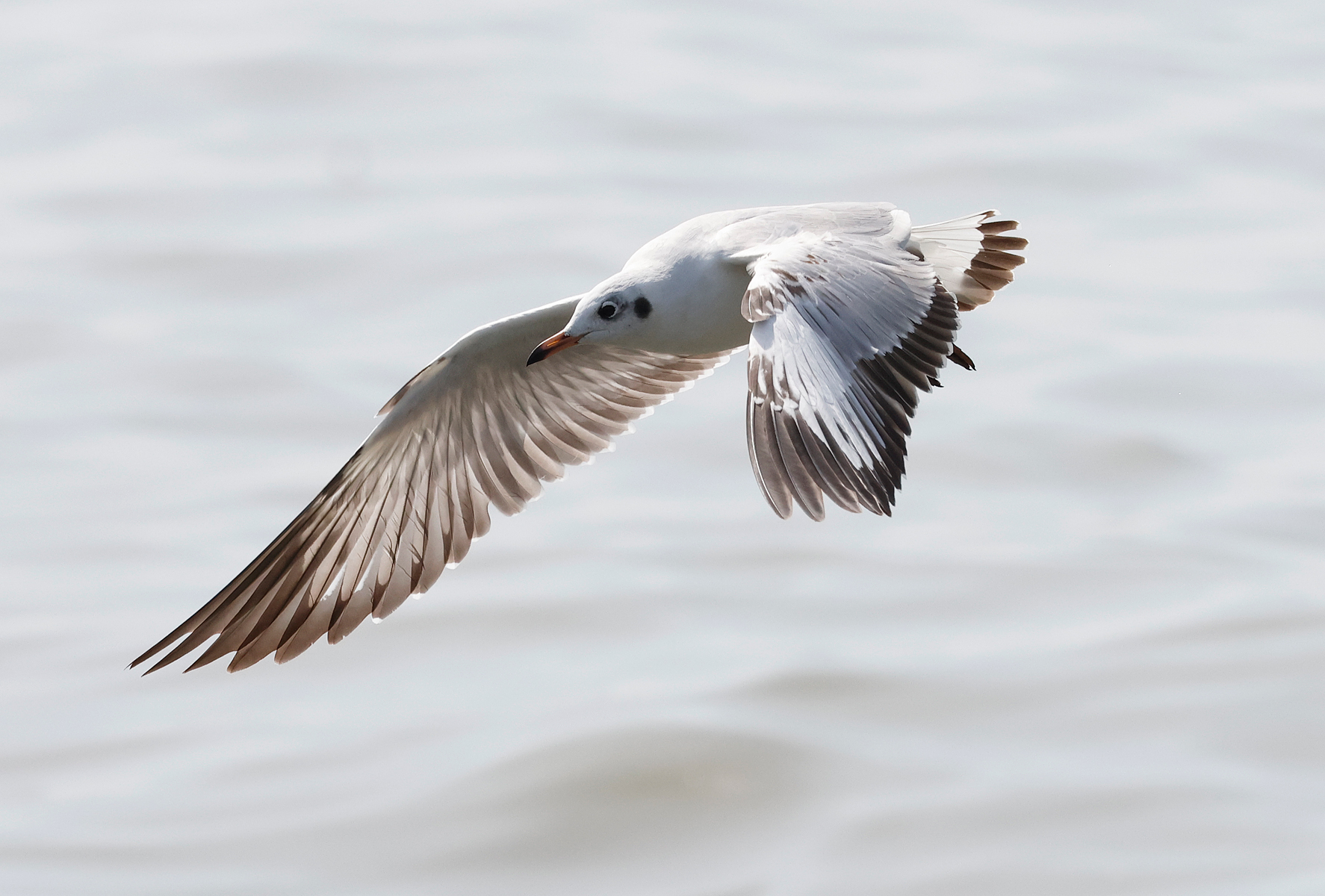
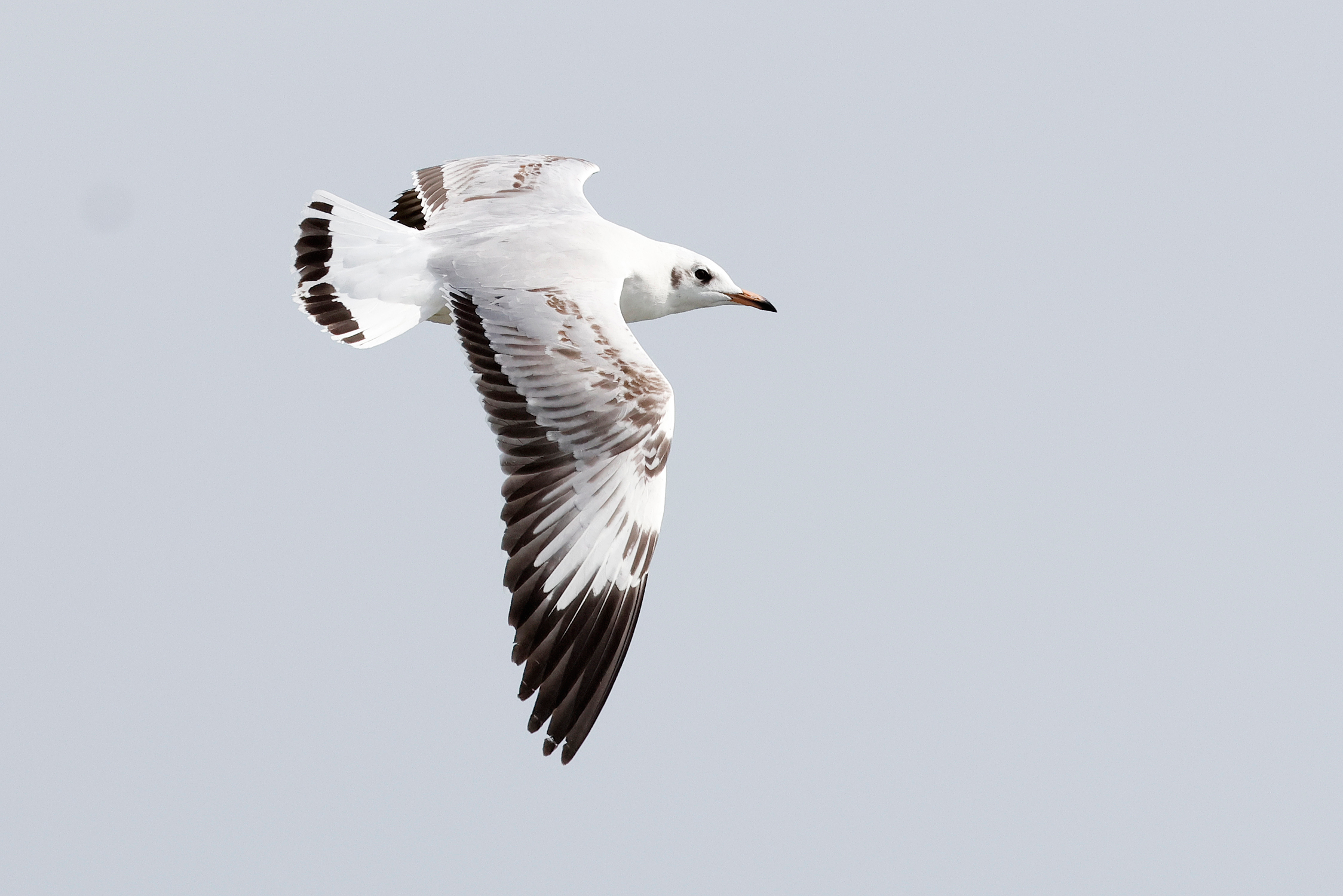
Occasionally there can be other species of gulls joining the flock, I spotted a single Black-headed Gull among the throng and there are fairly regular records of Slender-billed Gull here too. Brown-headed Gull is present here between the end of October and mid-April, outside of that period they migrate north to high altitude lakes and pools in Central Asia through to the Tibetan plateau and Mongolia where they breed in the late spring and summer.In between bouts of feeding the gulls just load around in flock on the sea or perch on man-made structures, resting and waiting for the next visitor to arrive with food.
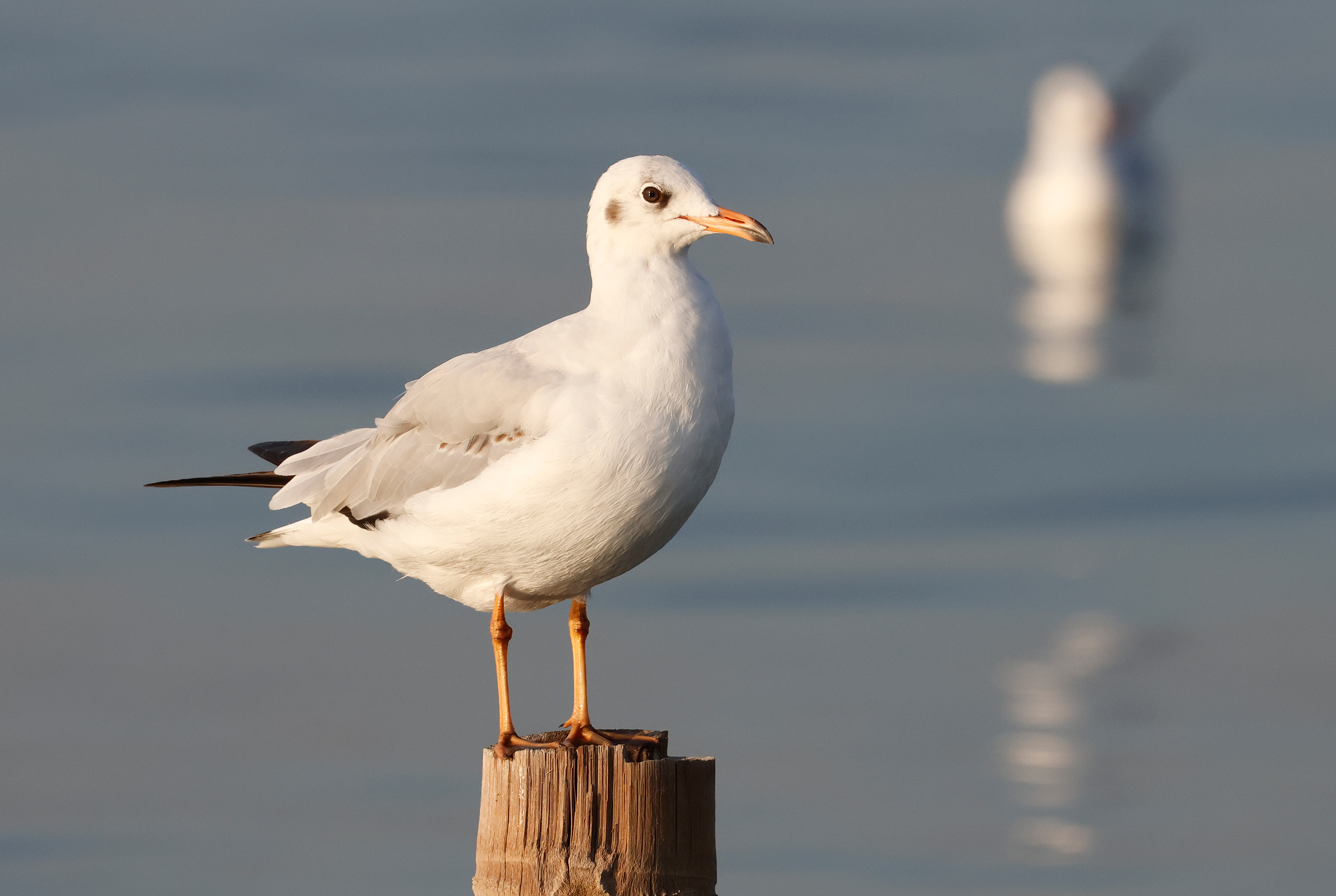
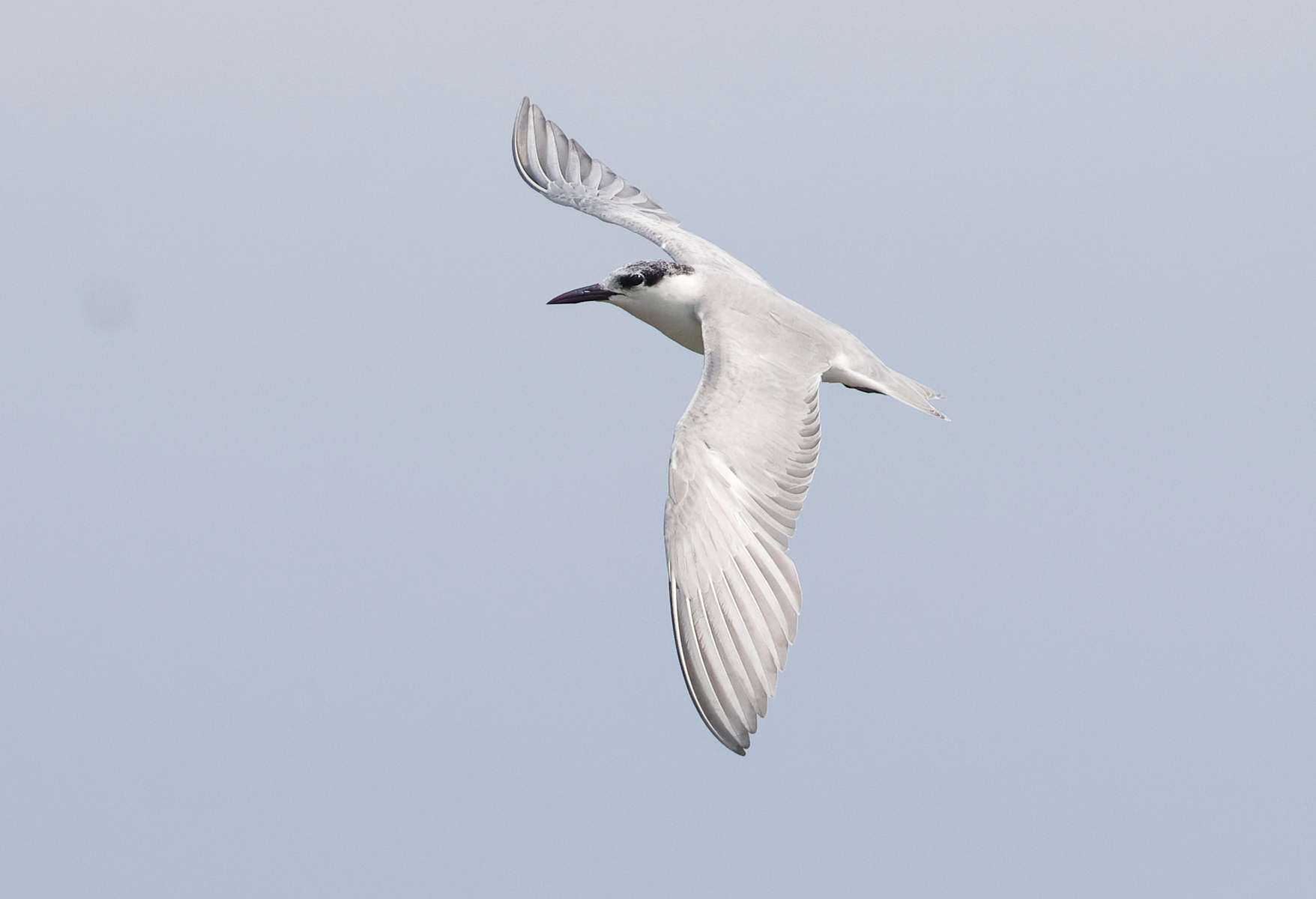
At any one time there are about 150 gulls waiting to be fed but when I arrived in the early morning there were somewhere in the region of one thousand gulls scattered over an area visible from the boardwalk with a particularly large number at the western end. Joining the gulls here are large numbers of Whiskered Terns that also flock where people feed the birds. Although most of the food is too large for these small terns to consume there are lots of tiny scraps that fall into the water, which are too small for the gulls to be interested in, that the terns can pick off of the water’s surface. The two species in flight together can create quite a nice spectacle which is best witnessed in person but I have tried to capsture something of it in this video.
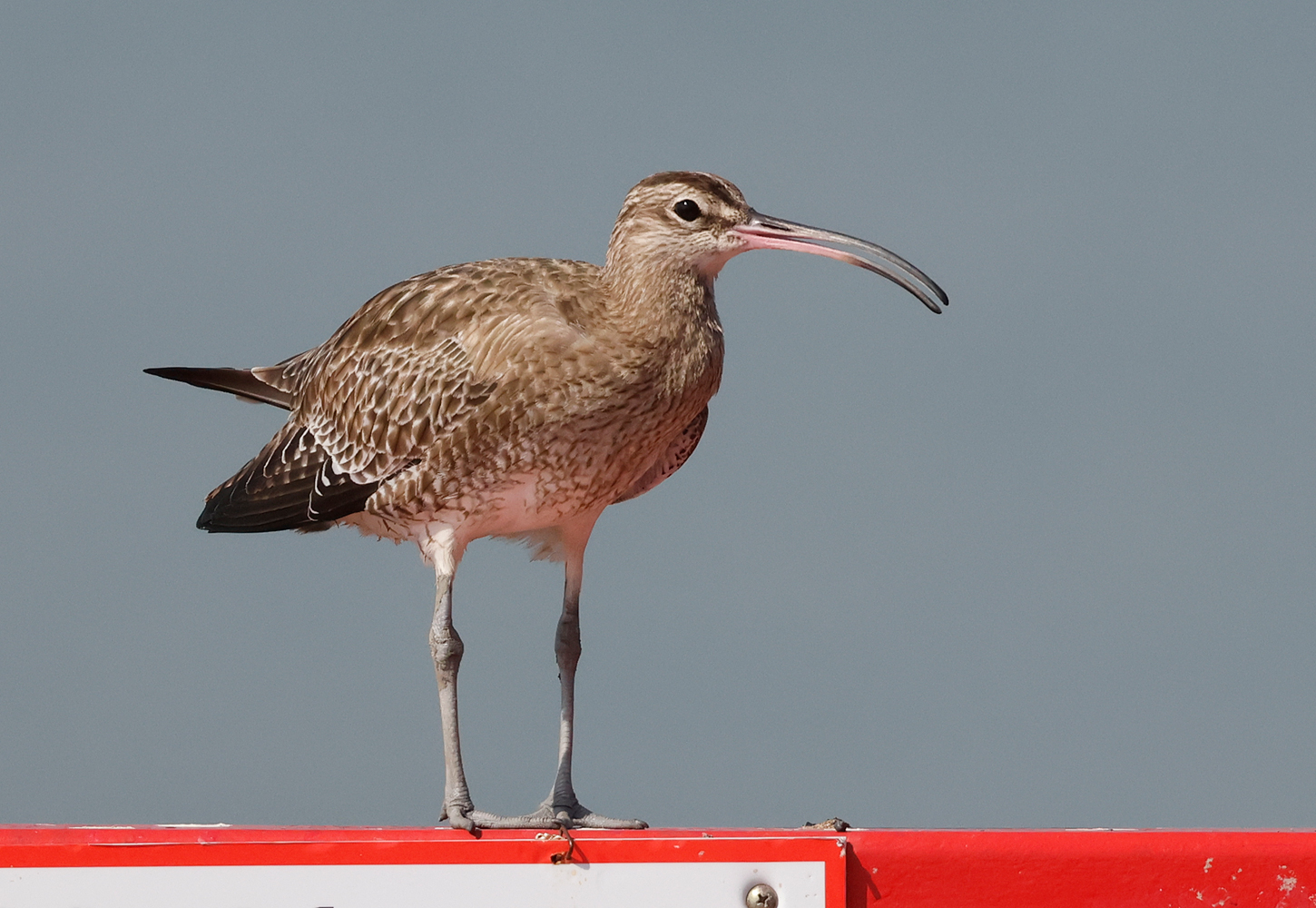
At the time of the year that I visited (early January) the tidal range is not very much at all so there are not large areas of mud exposed at low tide but if one visits in March and April there are mudflats exposed at low tide and large numbers of shorebirds feeding. The only coastal shorebird I saw, though, were a couple of Eurasian Whimbrel which use the mangrove fragments and man-made structures to roost upon at high tide.
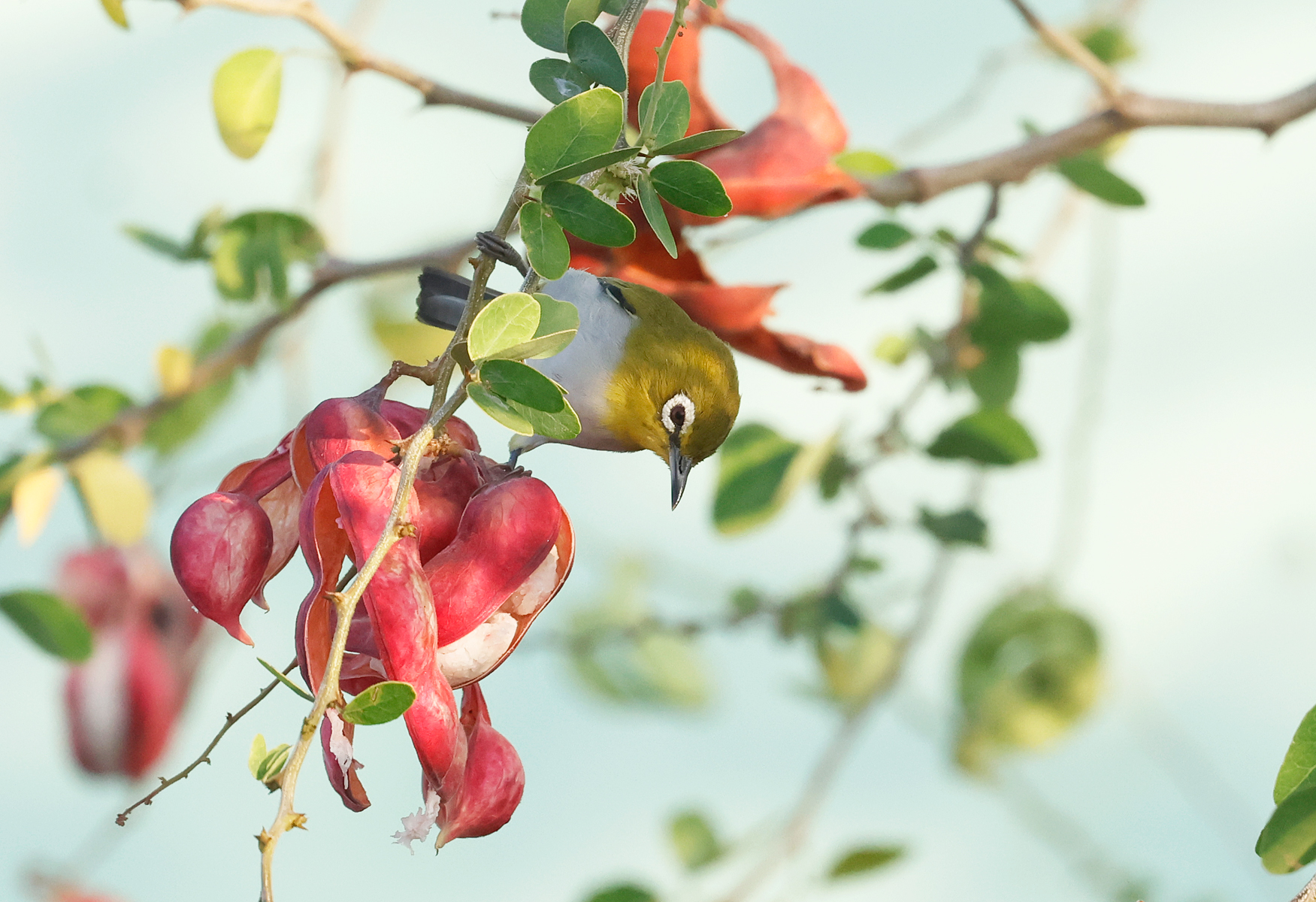
In the early morning there were plenty of other birds to see with species such as Racket-tailed Treepie, Golden-bellied Gerygone, Pied Fantail, Yellow Bittern, Little Heron and others in the mangrove fragments as well as common species such as Eurasian Tree Sparrow, Spotted Dove and Great Myna in the car park. As I was getting my camera equipment ready I stood next to a small tamarind tree from which I noticed the call of a white-eye. Looking up there were a pair of Swinhoe’s White-eyes feeding on tamarind fruits.
After setting up my cameras a couple of people arrived to feed the gulls which resulted in a swarm of birds forming, which was great for videoing the gulls but less productive for photographs. However, the more graceful flight of Whiskered Tern allowed me to get some nice flight shots of this species instead. At other times of the year there may be some White-winged Terns within this group but Ilooked hard and could only see Whiskered Terns on this visit.
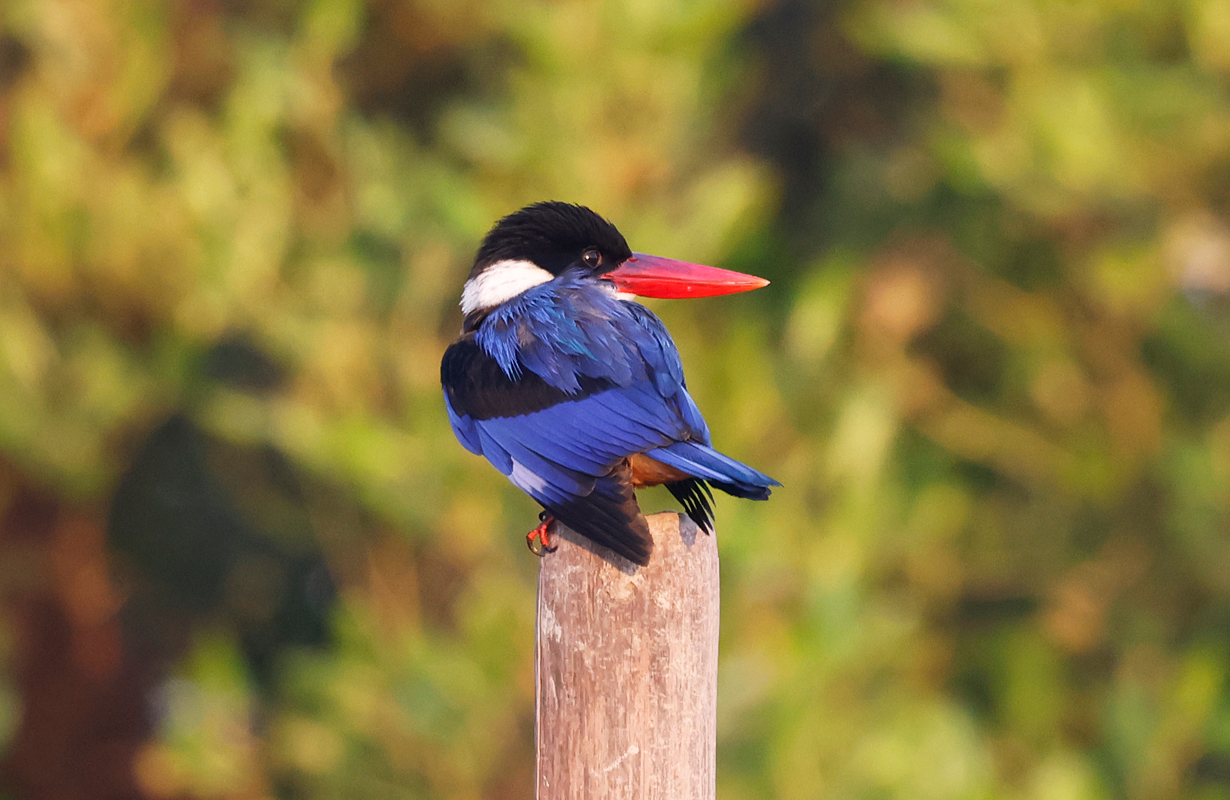
Visiting during the week meant that there were not very many other visitors and walking to the far western end of the boardwalk gave me a chance to be alone and with this lack of human disturbance I saw plenty of species. Collared Kingfishers are common in this habitat and I had the opportunity to video a few individuals and also saw an oriental Reed Warbler but it was a smart Black-capped Kingfisher that was the highlight and I was able to take a few photographs before it disappeared into the mangrove trees.
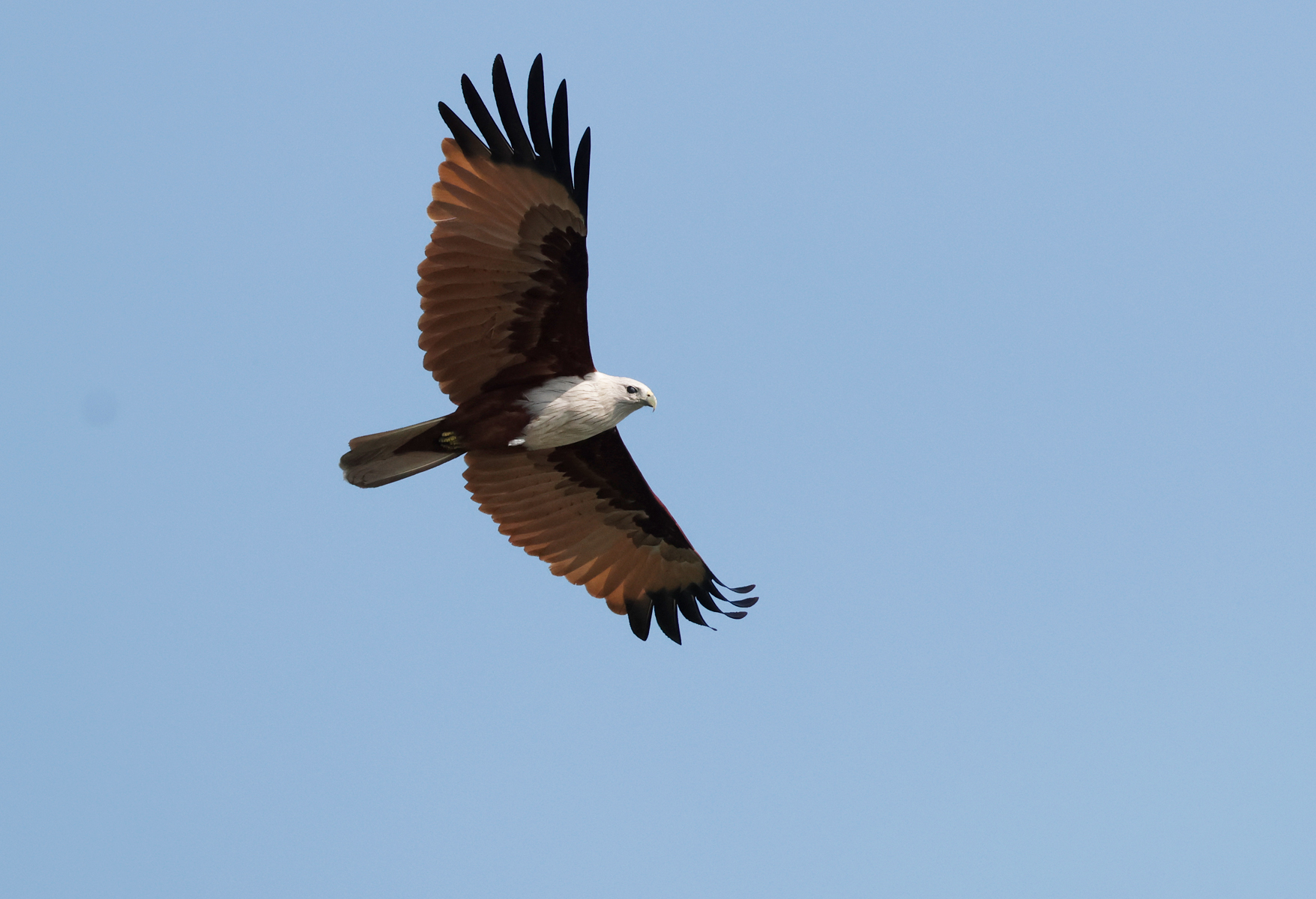
While most visitors are concentrating on feeding gulls and taking selfies any bird watcher who spends any length of time at this site is bound to see several Brahminy Kites. This striking raptor is almost exclusively a coastal bird in Thailand these days but in this habitat it is a common sight.
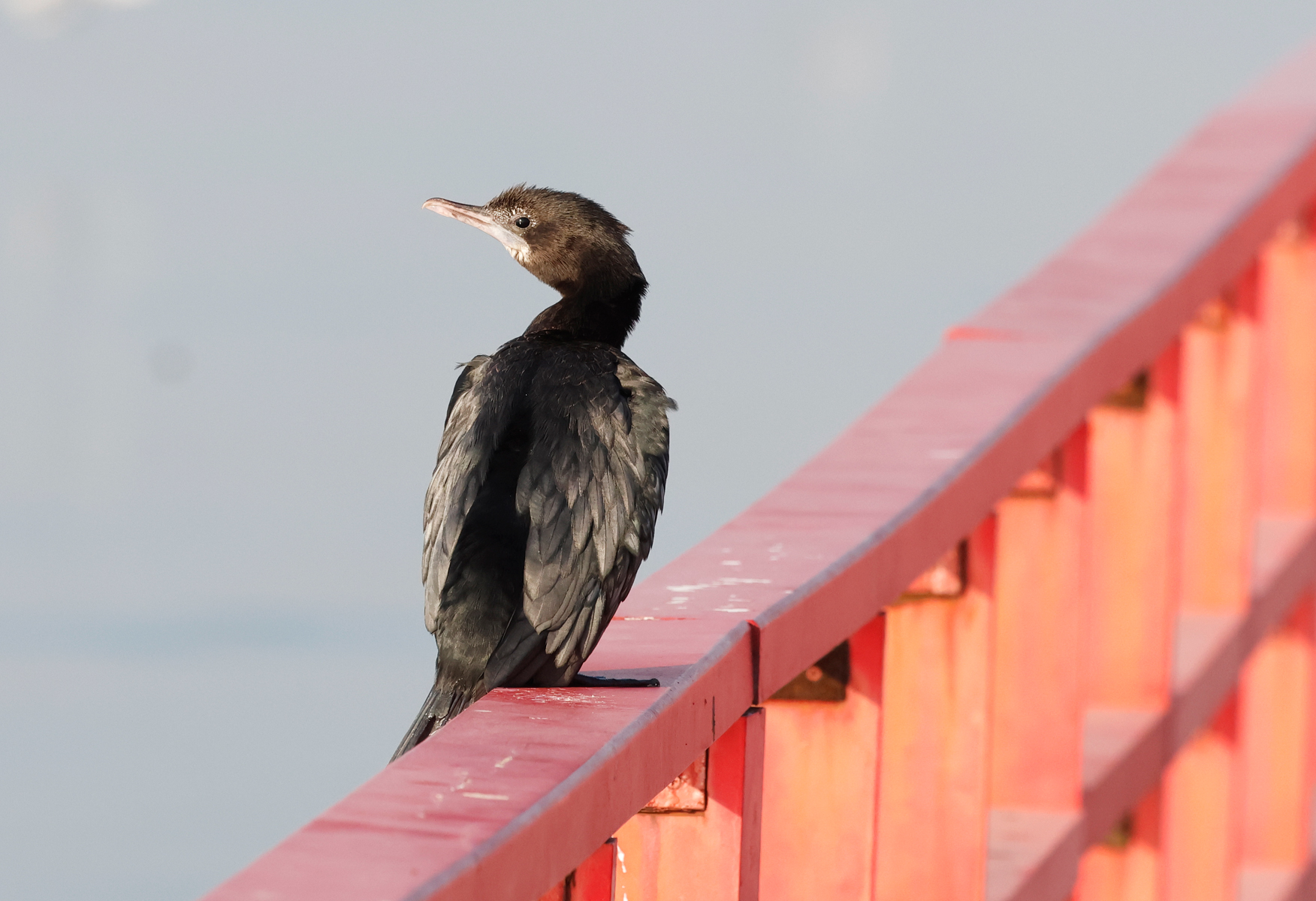
Another bird that is hard to miss here is Little Cormorant. These small cormorants do what cormorants usually do, spending time in the water fishing by taking dives under the surface and then spending periods on perches with their wings outstretched to dry their feathers out. There are also Indian Cormorants here, a little bigger than the Little Cormorants and with longer, more slender bills. In flight the Indian Cormorants usuallu fly in formation with a “flap, flap, glide” flight pattern whereas the Little Cormorants fly in scattered groups with a persistent panicky wing flapping action.
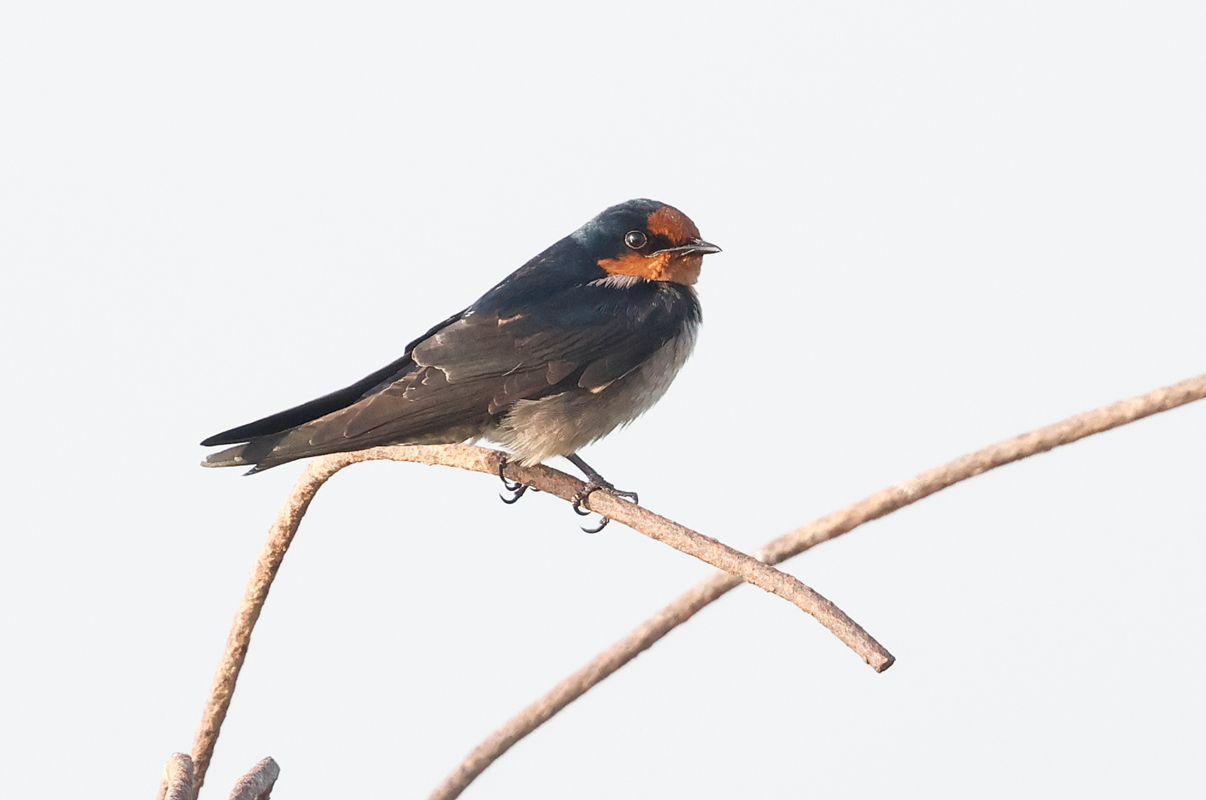
At one point I saw some swallows and didn’t think too much about them, Barn Swallows are very common winter visitors that are easily overlooked, but then something different about these birds made me take a closer look: Pacific Swallow. Pacific Swallow is scarce in this area but small numbers of them do breed in the area, frequently in man-made structures emerging from the water and to see two of them perched together was indicative of their intention to breed here. I did see a few Barn Swallows too but their behaviour was, typically, rather different, spending very little time perched and hunting in small groups rather than in pairs.
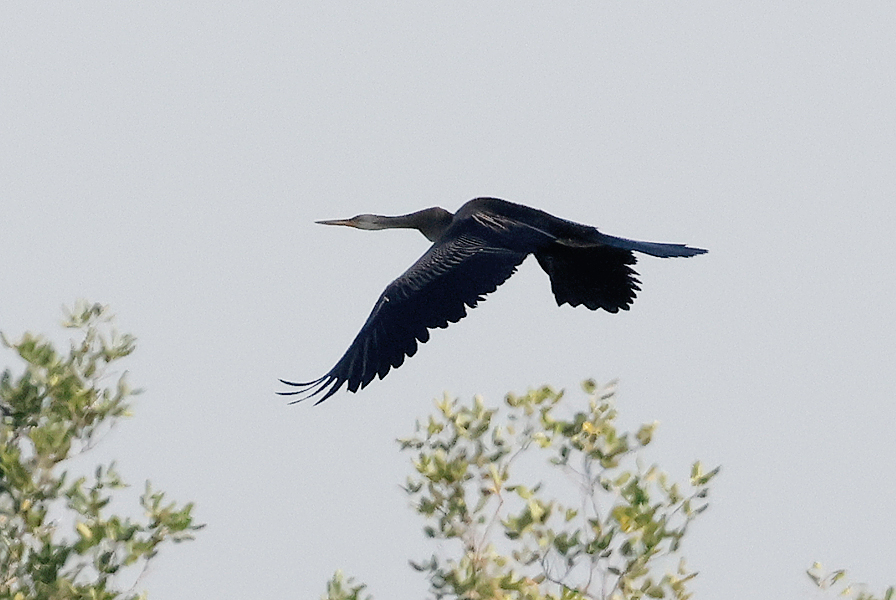
By about 10.30am it was getting quite hot, despite being the coolest time of the year in Thailand, so it was time to leave but although I had visited to specifically video the gulls and terns I saw a nice selection of other species too, including two plypast Oriental Darters as I was leaving. The complete list of species can be seen here – Birds at the Red Bridge 5th Janary 2026.
Although this location can be busy and the list of species likely to be seen is quite limited I like places like this that allow people who would not normally be interested in birds to interact with them. It is often experiences with birds like this that leads to a greater interest and who knows where that may lead? This short article expands a little further on that theme – Brown-headed Gull Congregation.
 Posted in
  Tags:
Tags: