 January 2nd, 2026
  Nick
Nick 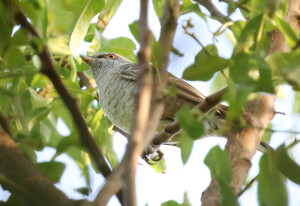
Uzbekistan is one of those countries that is great for birding and at the same time extremely interesting in touristic terms too; an ideal place to travel with a non-birding partner and then to find time to go birding in locations near the tourist spots and to visit some really spectacular scenery. In late April 2025 I found myself in the historic city of Bukhara, enjoying the sites this amazing location has to offer, with my wife. Having visited Uzbekistan before and done a fair bit of birding this trip was most certainly not planned to maximise the birding potential, however, I still found time to look for birds in the early morning before our hotel served breakfast. Staying at Hotel Atlas we were placed at the heart of Bukhara old town and it was only a ten minute walk to Samonids Park, the closest place that might attract birds, particularly at this time of the year when migrants were passing through.
Join me on my next Central Asia birding trip - Central Asia Birding Tour.
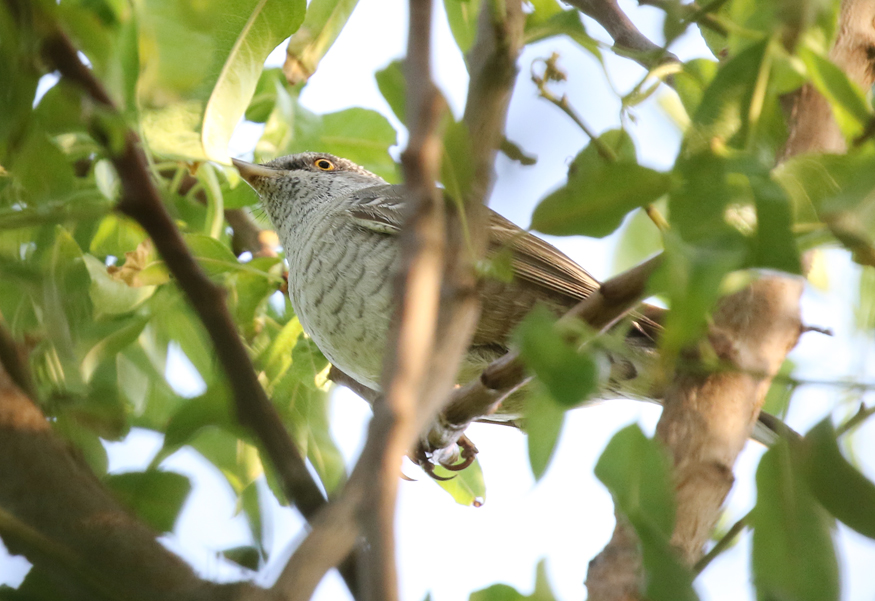
I visited this park on two consecutive mornings and was pleasantly surprised how many species I was able to find, including the first adult Barred Warblers I had ever seen.

At this time of the year every small tree in the town is alive with the harsh “chacking” call of Lesser Whitethroat and so this sound accompanied me at sunrise as I walked through the empty old city, a rare chance to experience it without the tourists, towards Samonids park on both mornings. On my first morning I did not take my camera, a foolish thing to do for an experienced birder and, of course, I started seeing birds and having photo opportunities before I even got to the park. A small copse of trees contained several Lesser Whitethroats and a couple of “Siberian” Chiffchaffs as well as a Red-throated Flycatcher which I located by its distinctive call. Far more exciting, for me, was an adult Barred Warbler. I have seen this species several time before in UK but only juvenile birds in autumn so it was exciting to see an adult of this unique warbler. Fortunately, I was able to find another on the following day, within the park itself, and get a few photos.
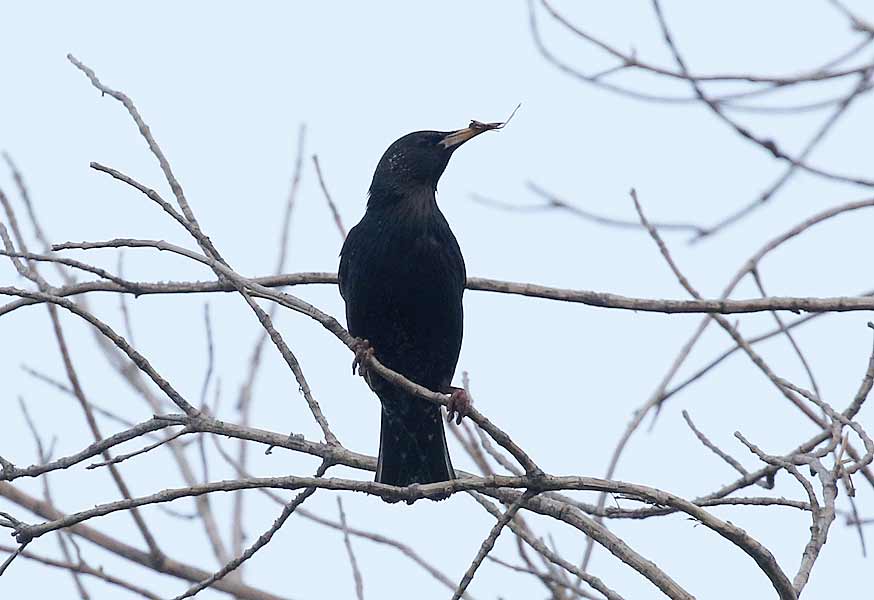
In the park there were plenty of migrant birds with Lesser Whitethroat, Chiffchaff and Blyth’s Reed Warbler all being abundant but, of course, there were resident birds too, including this nexting Common Starling with an overgrown bill. This bird was feeding young in a nest cavity so presumably it is getting through life just fine with this deformity and served as a reminder to take a closer look at every bird.
It seems that Uzbeks are early risers and I was a little surprised at how many people started to fill this little park even so soon after sunrise. There were also some houses that backed onto the park so I was careful not to intrude on other people’s activities as they probably do not see too many people walking around this location with binoculars and camera, although I was certainly not the first birder to visit according to eBird. Turkestan Tit was plentiful in the park as were the usual suspects of Laughing Dove, Common Myna and Eurasian Tree Sparrow, both common urban birds in this part of the world; these were also joined by plenty of Eurasian Collared Doves, a few Common Woodpigeons and flocks of Common Swifts screaming around overhead.
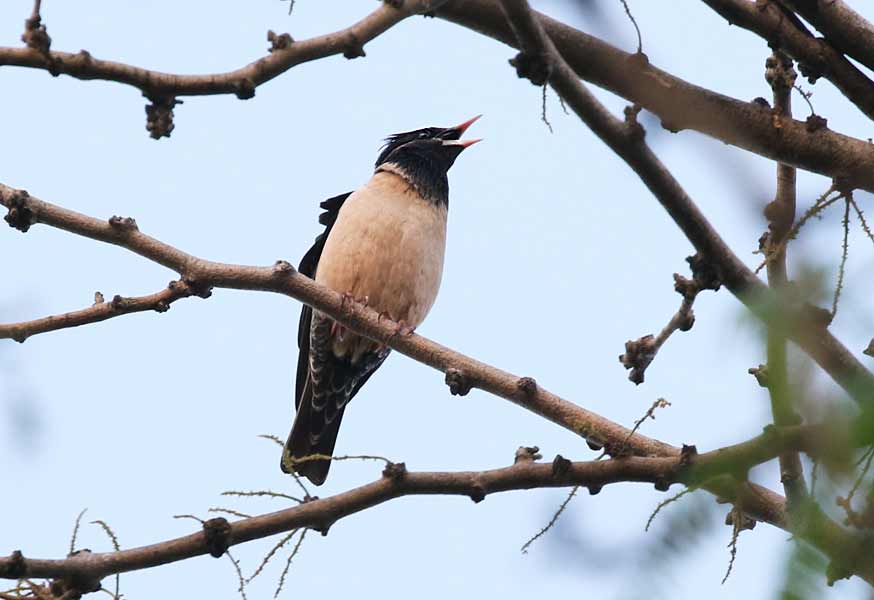
Another fairly common bird, on my visit here, was Rosy Starling. This is a species I see very infrequently so I was happy to see them in good numbers both in the park and on the walk into it from the old town. Rosy Starling has been had various other names applied to it over the years in English such as Rosy Pastor, Rose-coloured Starling and Rose-coloured Pastor but by whatever name it is known, the adult is a handsome bird for sure.
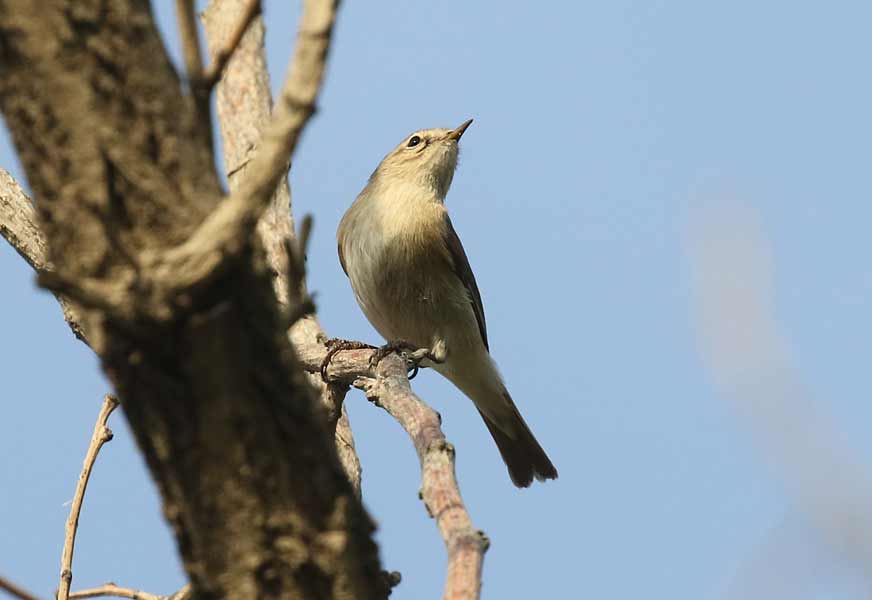
A camel loafing around the shade was a feature of the park that I am not used to but its dung was clearly a magnet for insects and, consequently, birds that feed on insects. A few Greenish Warblers, on migration, were taking advantage of this food source and several “siberian” Chiffcaffs were doing likewise. In fact this latter species proved to be one of the commonest migrants at this time.
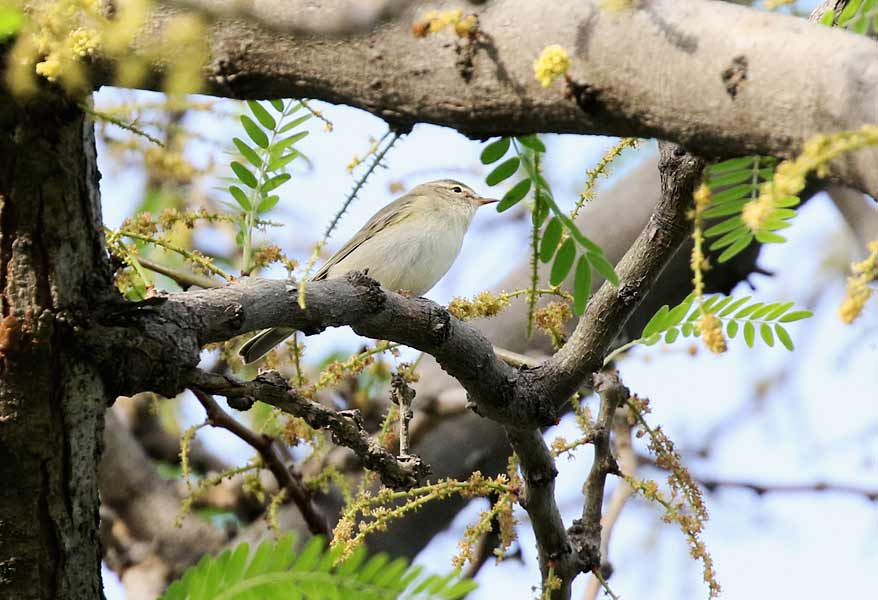
For those who like the challenge of Phylloscopus warblers there were a few other species to add to the parties of Chiffchaffs and Greenish Warblers; a single Hume’s Leaf Warbler and a Willow Warbler. For those who are unfamiliar with these birds I picked up the Hume’s Warbler on call and the Willow Warbler alerted me to its presence, luckily, by uttering short phrases of its distinctive song.
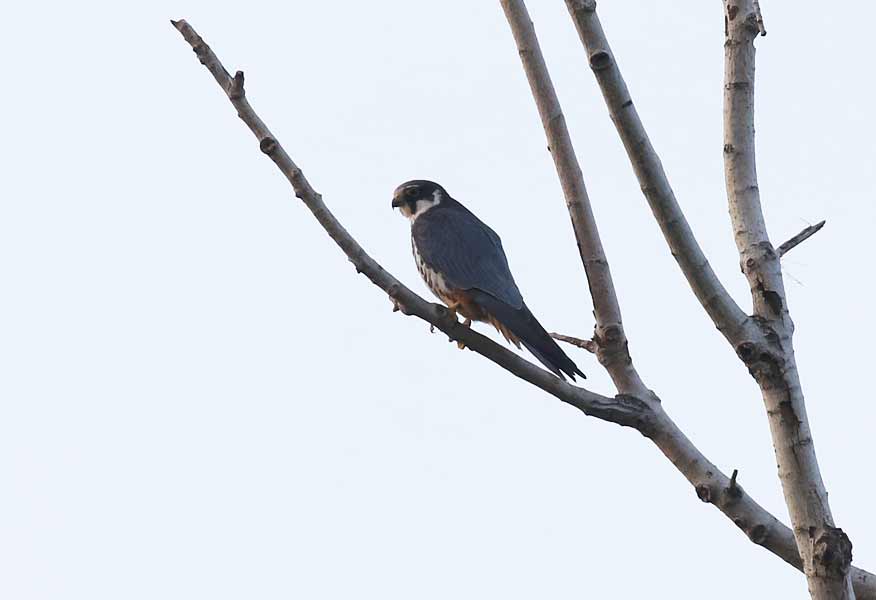
On the forst morning that I visited Samonids Park there were a pair of Eurasian Hobbies making a lot of commotion. Display flights, offering food and attempted mating made it obvious that these two birds had nesting on their mind but on the following morning they were nowhere to be seen. Perhaps I somehow missed them or maybe they form pairs while still on migration but generally speaking male and female Eurasian Hobbies do not migrate together (Byholm, Beal, Isaksson, Lötberg, Åkesson. Paternal transmission of migration knowledge in a long-distance bird migrant, 2022).
The only other raptor I saw were a pair of Shikras, which seemed to be fairly common birds of urban parks in Uzbekistan, having seen them in Tashkent and Samarkand on this and previous visits. Samonids Park has a dense covering of trees and a decent canopy which makes viewing the sky for migrating raptors a bit tricky but which also makes it good for attracting passerines on migration.
I recommend Birds of Central Asia as the best field guide for birders to us in Uzbekistan.
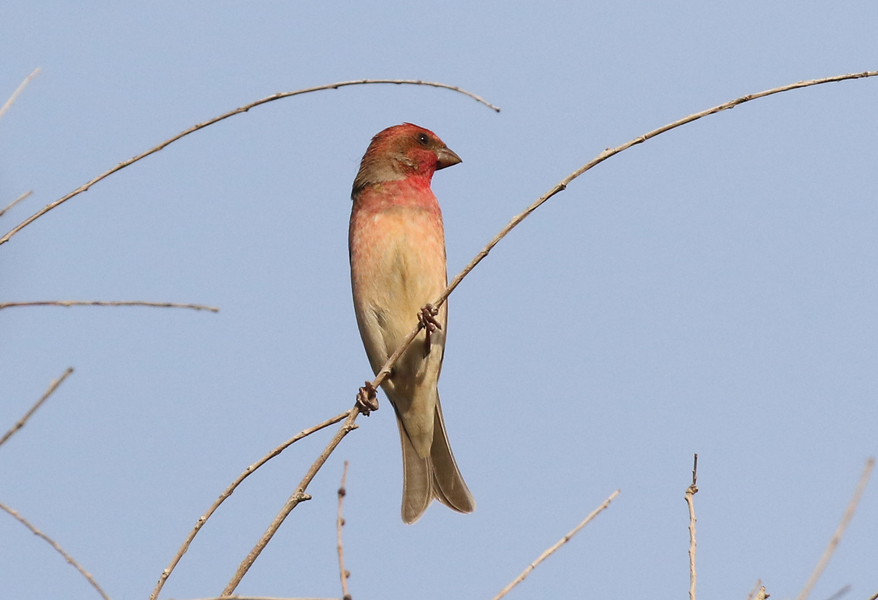
Plenty more Lesser Whitethroats were on show and I found a couple of Eastern Olivaceous Warblers and a Skyke’s Warbler but for a splash of colour a small group of Common Rosefinches turned up. Much easiet to identify than all those little brown and dull-green warblers!
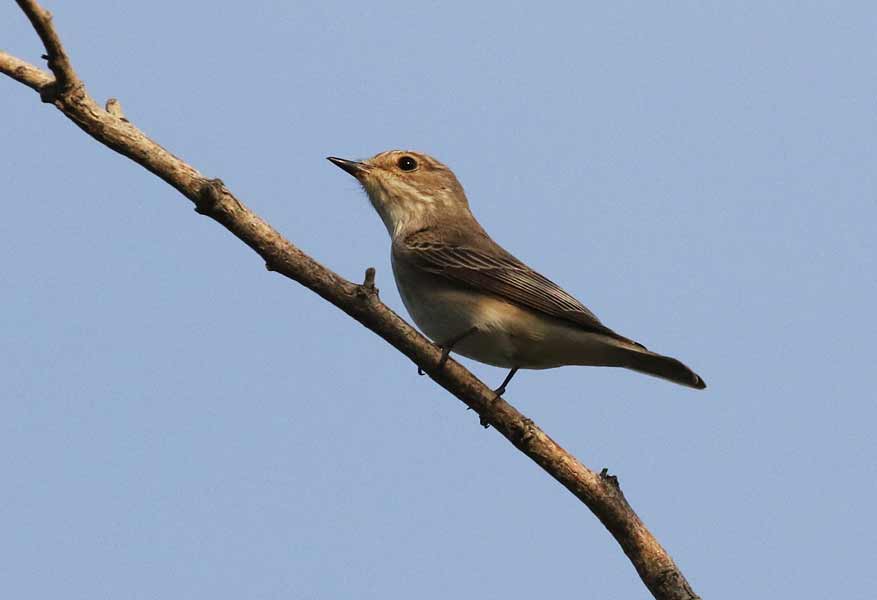
On both of my visits to the park I didn’t have a very long time as I needed to walk back to join my wife for breakfast but both mornings provided a pleasant distraction and a good number of species for a pre-breakfast excursion and no doubt with more visits during migration, even more species could be found. Spotted Flycatcher was my final addition to the list as I left the park, which was slightly strange considering what a common migrant bird it is in this part of the world.
Certainly Samonids park is a good little spot for birders to visit for an hour or so before spending the rest of the day enjoying the wonderful old city of Bukhara.
If you would like to join me on a birding trip to Central Asia take a look at the dates, itinerary and all the details of my next tour – Central Asia Birding Tour.
 Posted in
  Tags:
Tags: