 April 5th, 2026
  Nick
Nick 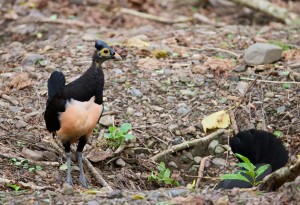
After leading the highly successful 2026 edition of the Calidris Birding Tours North and Central Thailand tour, I had some time to spare and decided on a return to Indonesia. previously, in 2024 to focus on North Sulawesi’s endemic species. This trip report covers top sites on Sulawesi’s Minahasa peninsula — Gunung Mahawu, Dumoga-Bone and Tangkoko Nature Reserve — and the must-see species.
I had birded the well-travelled backpacker route of Java, Bali and Flores and had been itching to see more of this vast archipelago and its exciting birds. With the most endemic bird species of any country, Indonesia demands repeat visits for anyone serious about world birding and seeing a good proportion of the country’s specialities.
I quickly settled on Sulawesi as my destination. Sulawesi is the smallest of the four Greater Sundas (after Borneo, Sumatra and Java) and the only one situated east of the Wallace Line, Sulawesi (formerly Celebes) is a unique K-shaped island stuffed to the gills with beguiling endemic birds.
This article is a guest post by Joma Blair.

Appealingly, a high proportion of Sulawesi’s endemic birds can be seen by covering just a handful of sites along the northern Minahasa peninsula, reducing the logistical complexity that’s often a feature of birding this region. Add easy access to world class snorkelling at the nearby islands of Lembeh and Bunaken, and you have a very underrated prime wildlife destination that can form a major part of birding tours to the region. Time permitting, trips east to Halmahera or the Banda islands would be sensible additions to an itinerary, but this time I was content to limit my focus to the Minahasa region.
Going Birding in North Sulawesi
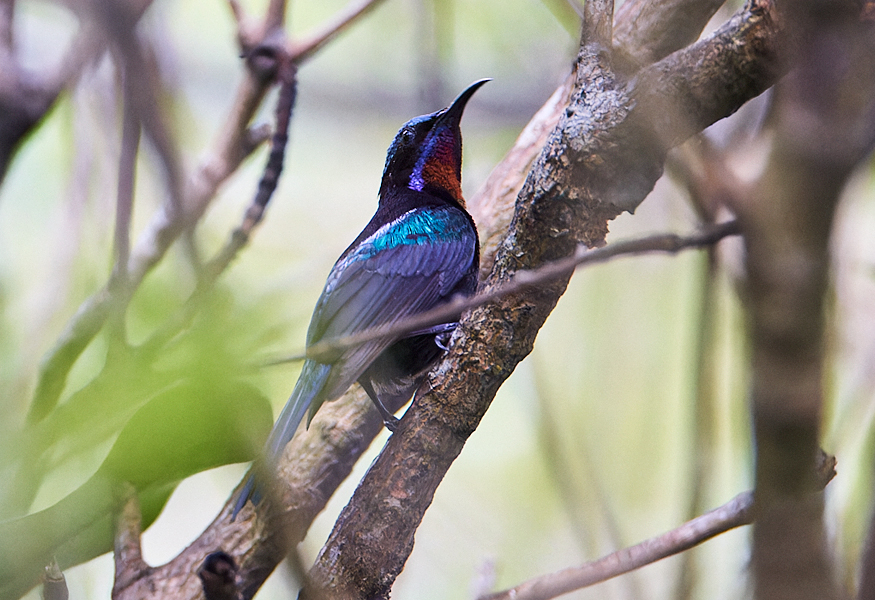
Reaching Manado, the capital of North Sulawesi, typically requires transiting through either Jakarta or Singapore. I exploited a long layover in Singapore to finally catch up with copper-throated sunbird and spotted wood owl. Both are relatively widespread in South-East Asia, but far easier to see in Singapore than most other parts of their range.
Kingfishers of North Sulawesi
After arrival in Manado and a drive inland, birding began in full force at Gunung Mahawu. This forested mountain near the city of Tomohon is particularly famous as the most reliable location to find Scaly-breasted Kingfisher.
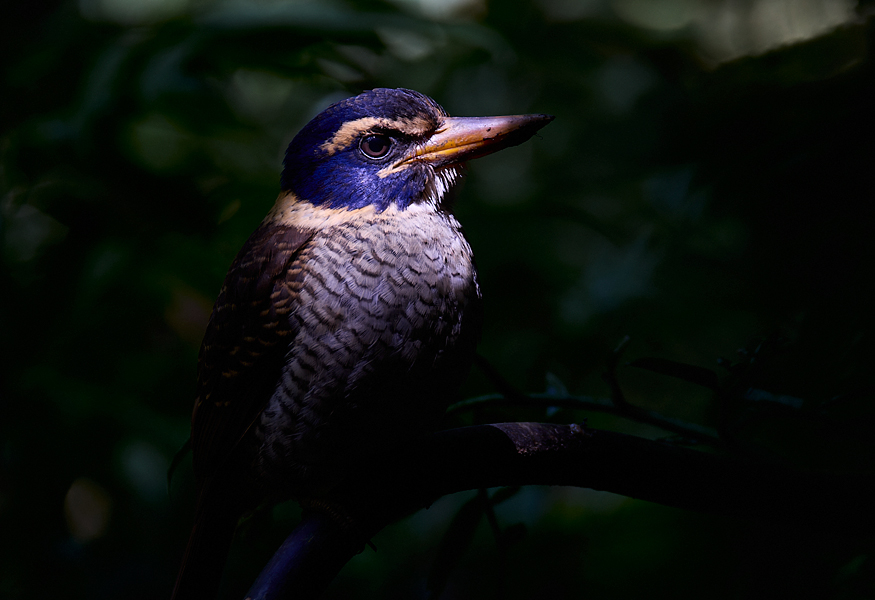
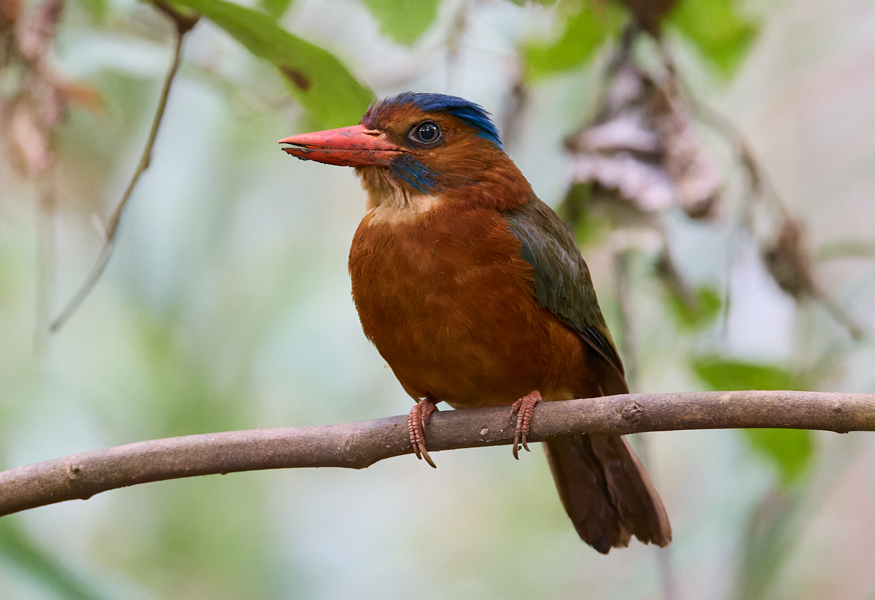
This huge, cryptic denizen of the under canopy is just one of Sulawesi’s six endemic kingfisher species, making it a must-visit destination for fans of this brilliant family; and if you told me you weren’t one, I wouldn’t believe you. Five of the six are present in the Minahasa peninsula and all are very findable if you know where to look. This one is Green-backed Kingfisher.
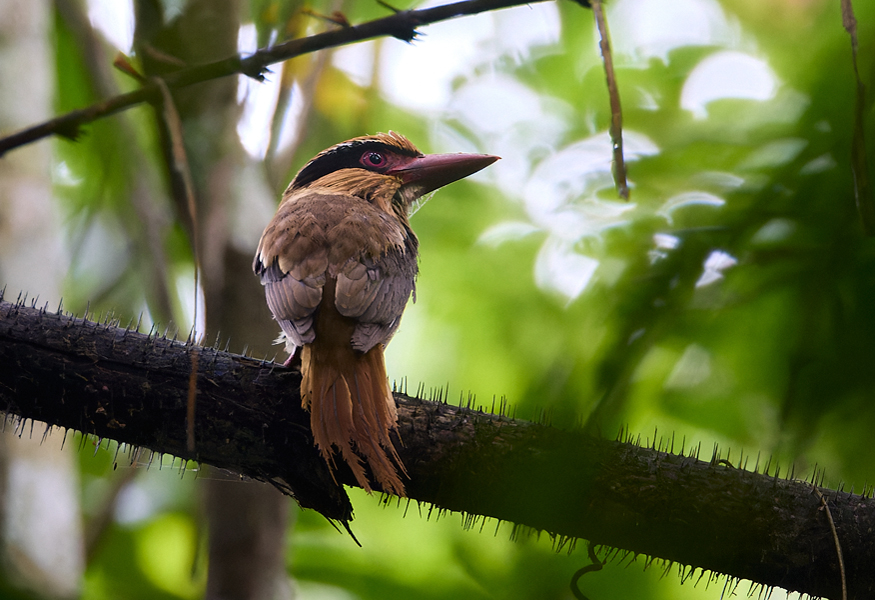
The following is the stunning, forest-dwelling Sulawesi Liliac Kingfisher…
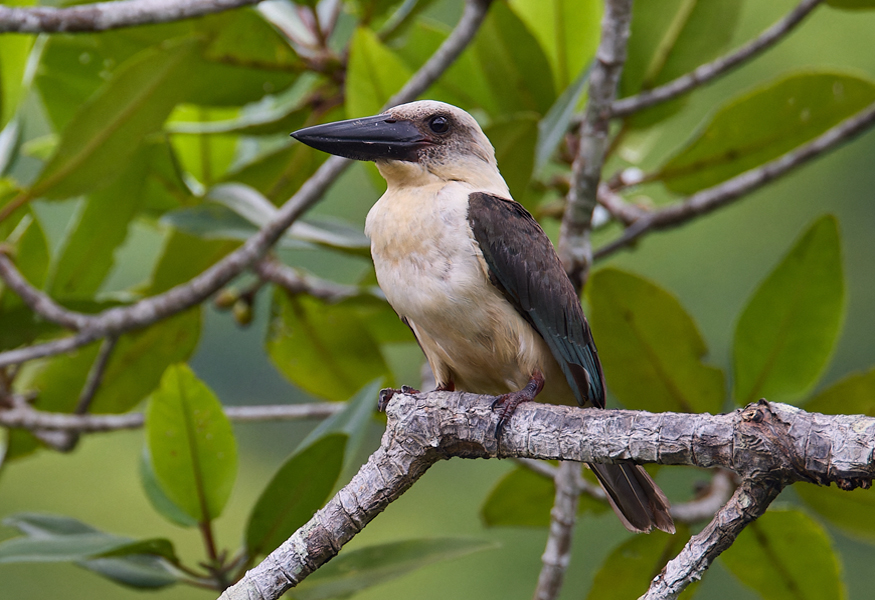
Next is the mangrove-loving Great-billed Kingfisher…
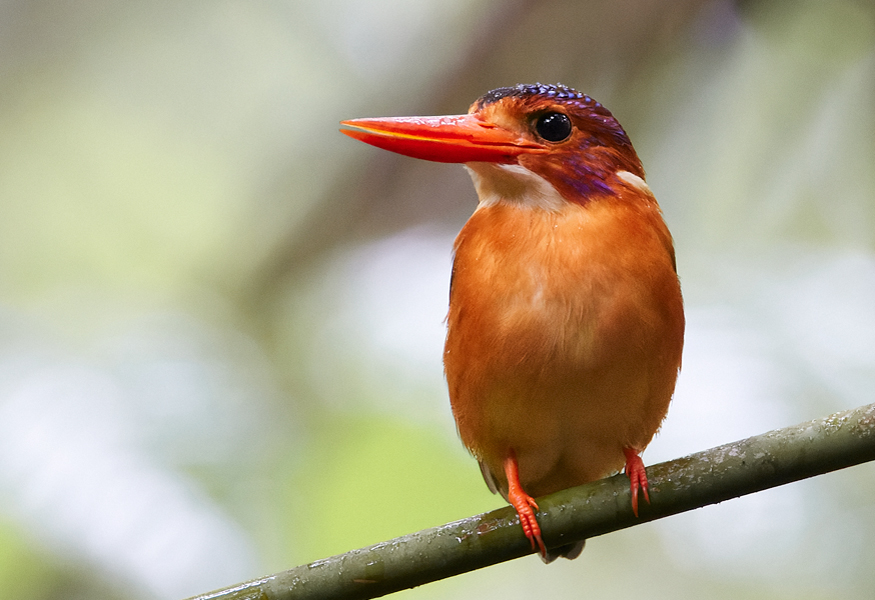
And finally, the forest gem that is the shy and diminutive Sulawesi Dwarf Kingfisher.
Some Birds of Gunung Mahawu
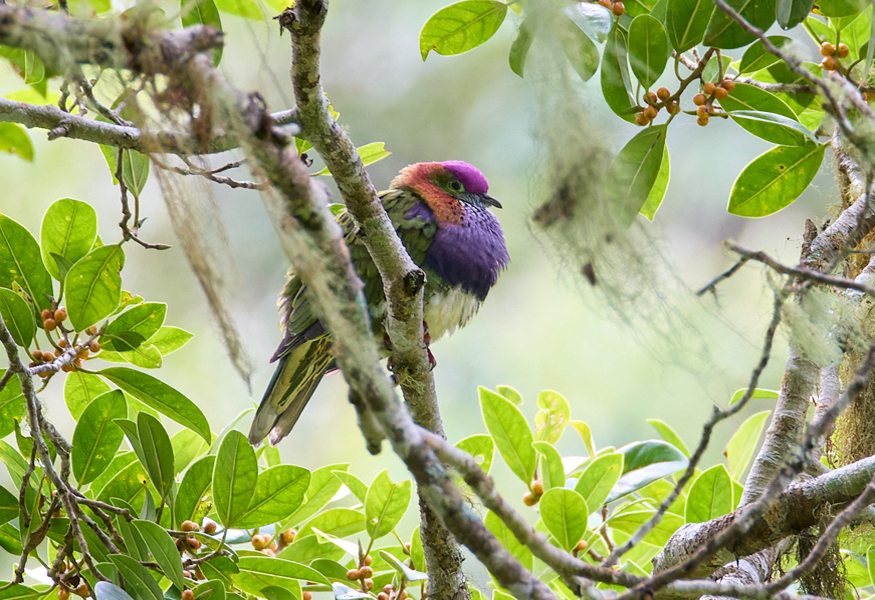
If you cross the Wallace Line, you had better be braced for some exceptional pigeons. There are a huge selection of these beautiful birds to see hidden in the forest canopy throughout the region. The male Superb Fruit Dove is a particularly modernist interpretation of the theme.
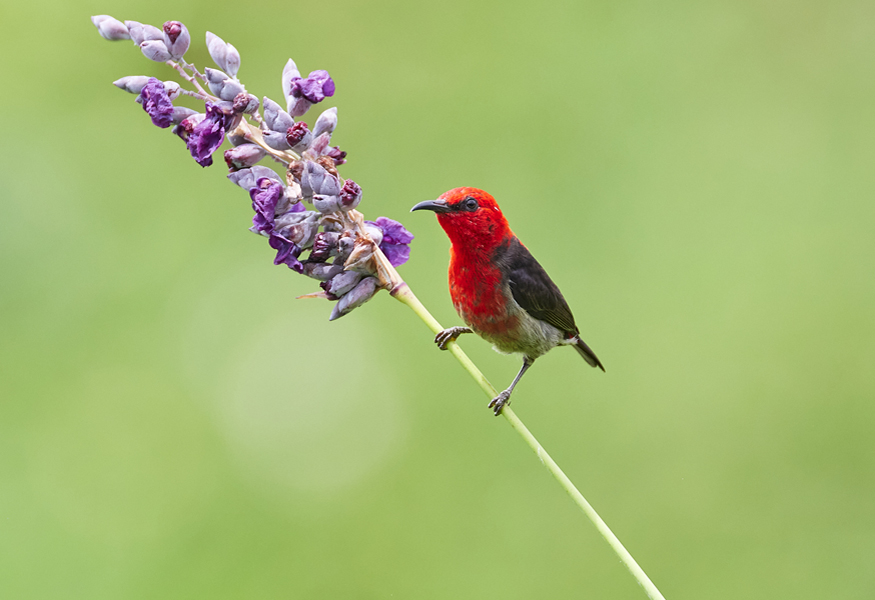
After birding in the forest on the mountain, the picturesque gardens of the Gardenia Country Inn offered a relaxing spot to watch Sulawesi Myzomela while refreshing with a fresh soursop juice.
Dumoga-Bone, Maleo Conservation
Half a day’s drive west of Gunung Mahawu, I reached the access points to Dumoga-Bone (aka Bogani-Waterbone) national park, North Sulawesi’s largest and most impenetrable wilderness. An essential stop in this region is the Tambun Maleo Conservation Area. Here, local ranger Max Welly Lela has dedicated most of the last four decades to conserving the Maleo, a critically endangered icon of Sulawesi.
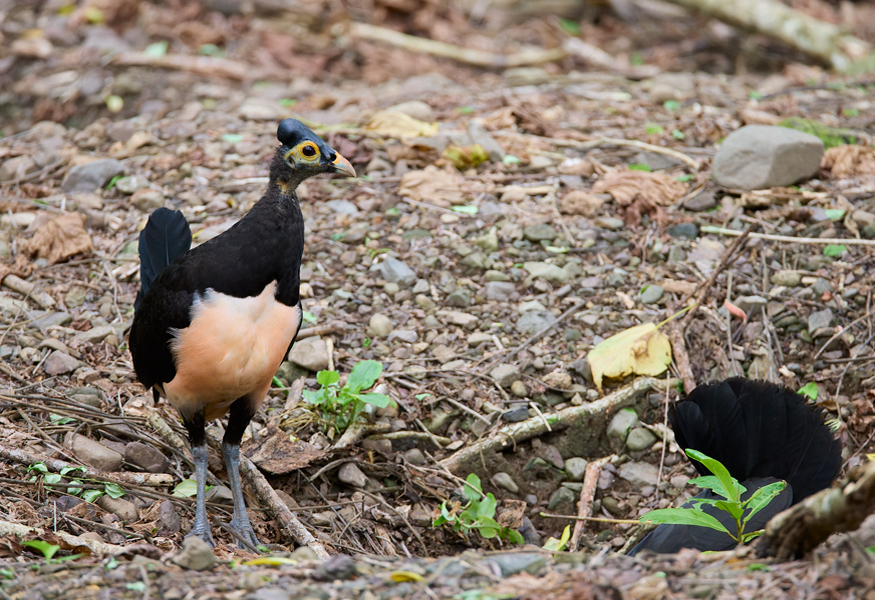
This massive pink and black megapode digs nests deep nests in geothermally heated soil which incubates its eggs. These eggs were traditionally collected for food, while adults were hunted, driving the species to the brink. Thanks to the dedication of Max and his fellow rangers utilising a combination of community outreach and hands on conservation, the Tambun population has grown dramatically in recent years – I was lucky enough to see 27 individual adults in a single morning.
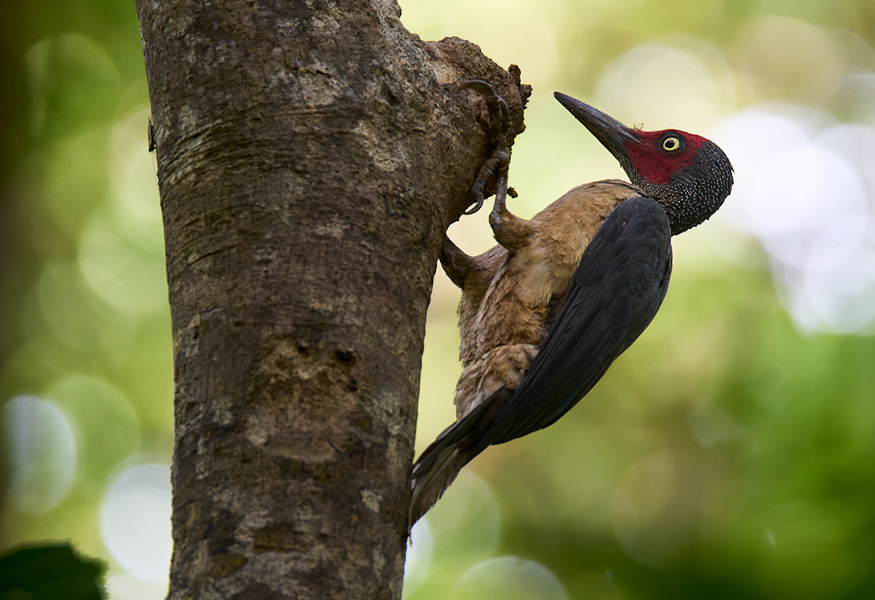
The trails at Toraut provide the best way to access the national park proper. On my first day we spent time watching an ashy woodpecker forage for grubs in the bark of a tree.
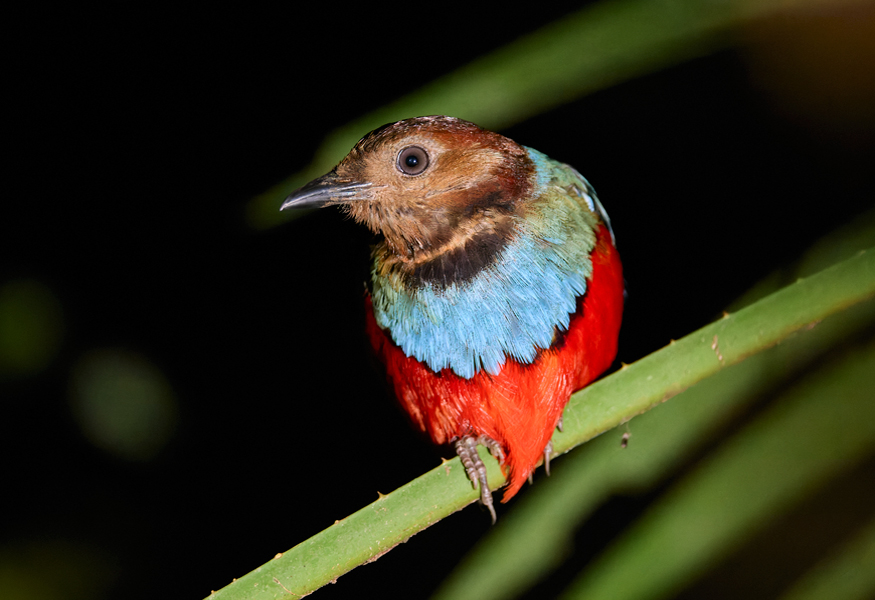
Pittas are always going to place high on a list of targets when birding in Asia. Despite the family’s reputation, Sulawesi Pitta is not as rare as you as you might expect in areas of good habitat. I chanced upon this roosting one while owling in Dumoga-Bone. The turquoise ‘breastplate’ contrasts brilliantly against the crimson belly, a showstopper of a bird.
Birding at Tangkoko Nature Reserve
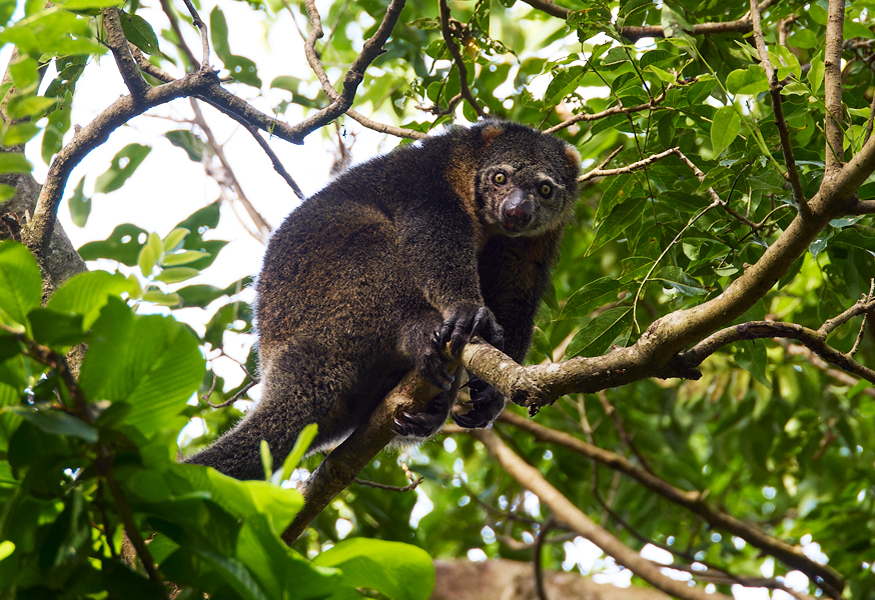
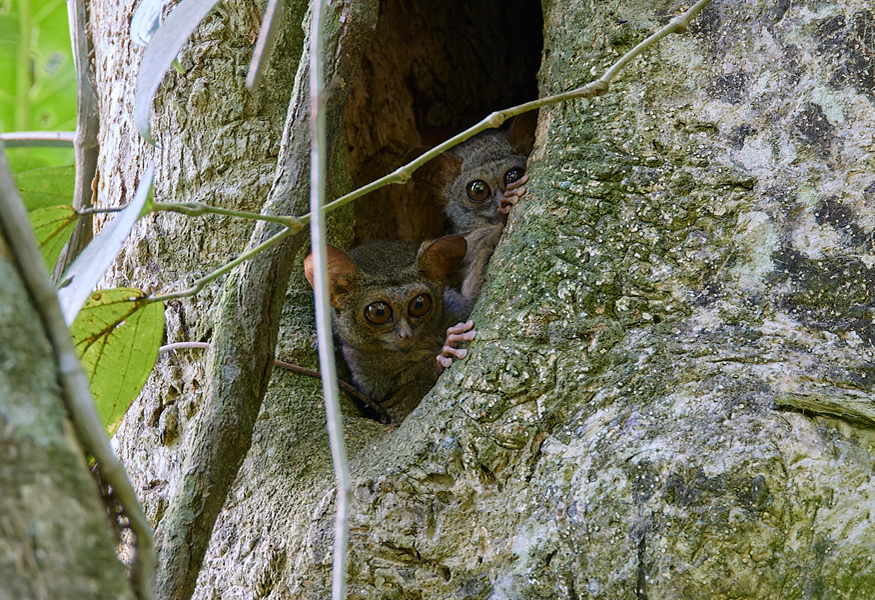
My final birding location was Tangkoko. This national park sits at the eastern tip of the Minahasa peninsula and is frequently visited by tourists who come to see its iconic mammals. These seemed fairly easy to come across while birding the trails, with species such as Celebes crested macaques, spectral tarsiers and Sulawesi bear cuscus all featuring; the latter two are pictured.
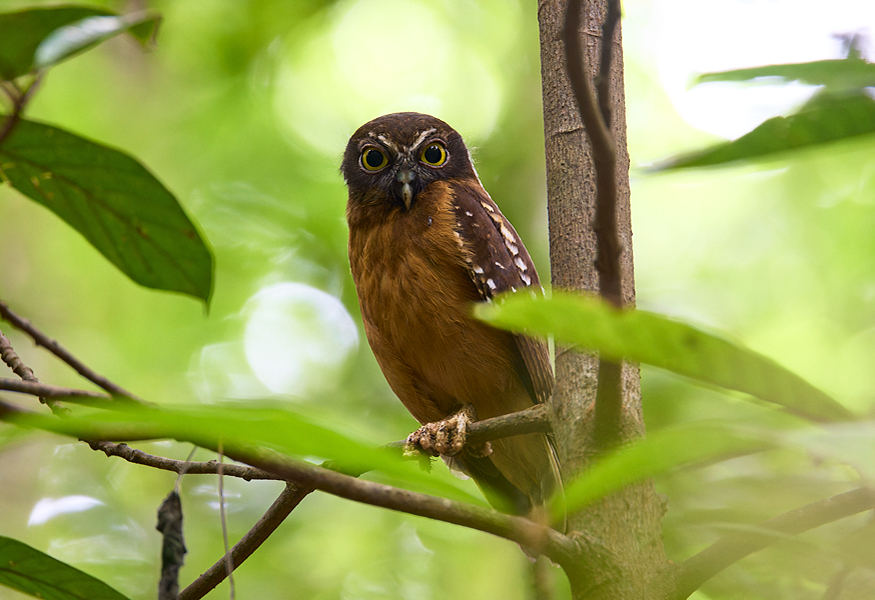
Sulawesi seriously outshines the other Greater Sundas when it comes to owls, with a whopping six endemics. I saw both Sulawesi and Minahasa Masked Owls, two eerie and exotic barn owl relatives, but neither felt inclined to pose for photographs. Thankfully this pair of Ochre-bellied Boobooks were more obliging.
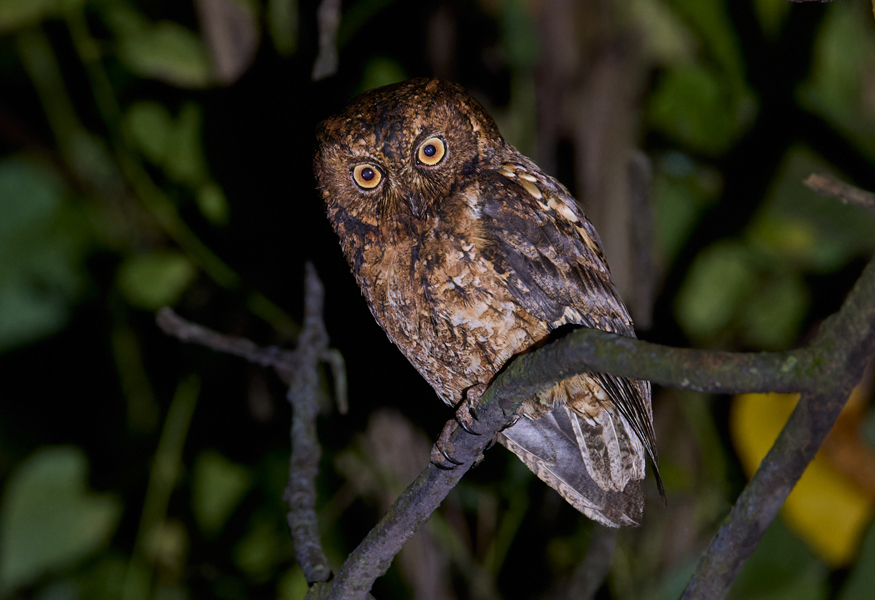
While Sulawesi Scops Owls were positively friendly, their call a common sound at most of the locations I visited.
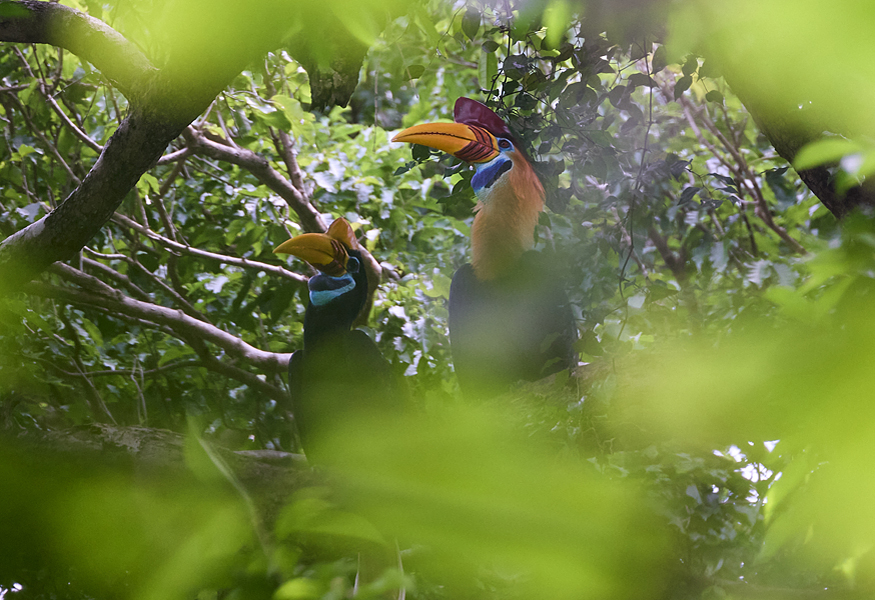
Both of Sulawesi’s endemic hornbills, Knobbed Hornbill and Sulawesi Dwarf Hornbill, can be found at Tangkoko NP, and the larger Knobbed Hornbill has a strong claim to being the best looking of the entire family; it never fails to impress.
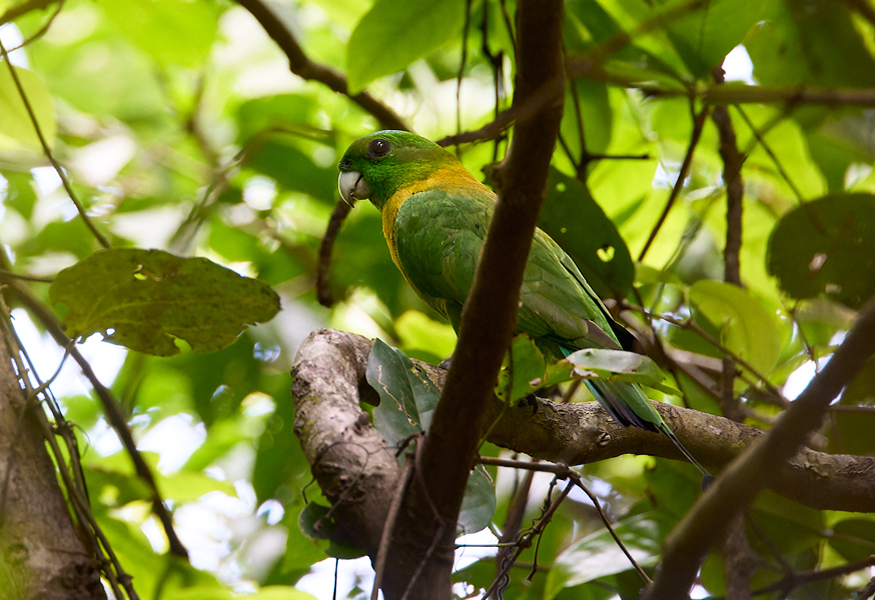
This is also a good place to look for both golden-mantled and yellow-breasted racquet-tails, with the latter a range restricted species found only in north Sulawesiso it was very pleasing to get this photograph.
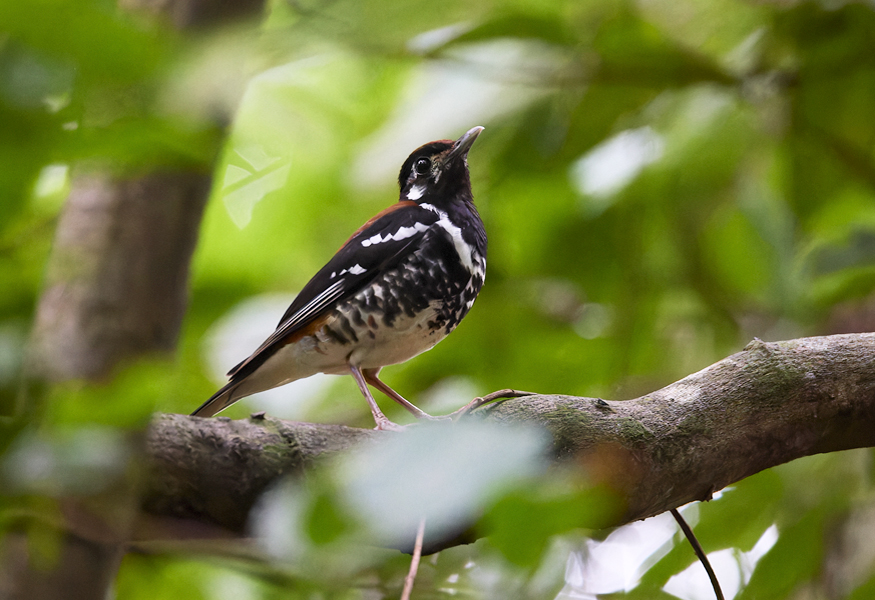
My time at Tangkoko ended on a fantastic note with views of the spellbinding rusty-backed thrush. Geokichla thrushes are real favourites of mine, so I always put extra time into tracking them down. In a group already known for its striking patterning, Sulawesi’s representative is up there with the very best.
That put a cap on an incredibly successful first visit, for me, to this magical island. In the future I will be leading a tour to both Sulawesi and the nearby island of Halmahera. Interested in joining a future trip? See the Sulawesi & Halmahera Birding Tour itinerary – Sulawesi & Halmahera Birding Tour.
Article and photos by Joma Blair.
 Posted in
  Tags:
Tags: