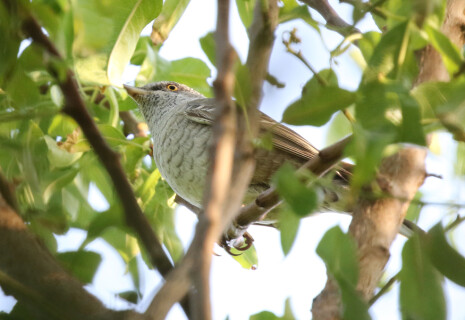
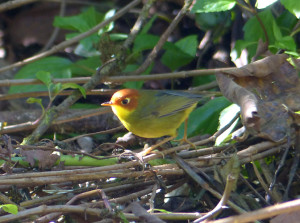
chestnut-headed-tesia

Doi Lang Photography Stakeouts – Thailand Birding

I have written a number of times about the photographic stakeouts at Doi Lang but my recent visit on 1st-3rd January resulted in a large number of excellent sightings worth mentioning here for others who may be planning to visit the mountain themselves.

The first thing to mention is that if one is heading up from the Fang side there is now a checkpoint where national park staff are charging visitors to enter. the tickets are valid at all entrances to Doi Pha Hom Pok national park and valid for 7 days. Read more »
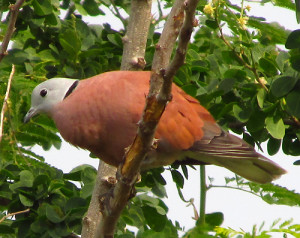
red-collared-dove

Common Birds – Thailand Birding

We all like to find rare birds and species that we have not seen before but sometimes it is worth going back to basics and taking time to look closely at some of the common birds that can be seen frequently. Too often many bird watchers will breeze past the common birds forgetting that these species are frequently beautiful and have interesting behaviour to observe.

While taking photographs of birds to use on my websites I have taken more time to look in detail at species that I see all the time and it has been interesting to notice subtle details in plumage on a number of common shorebirds and several other superficially “dull” birds. Read more »

scarlet-faced-liocichla6

Doi Lang Bird Photography – Thailand Birding

Last year opportunities for photographing birds at Doi Lang were spectacular with a number of stakeouts created by local birders where birds were fed with mealworms in order to lure them out into photographable situations.

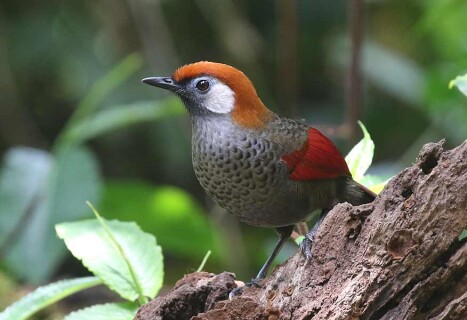
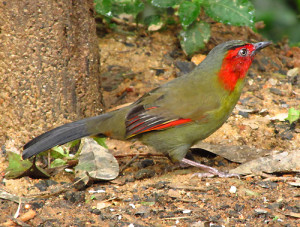
Recent visits to Doi Lang have revealed that a number of signposts have been placed by national park authorities requesting that usage of mealworms, call playback and staking out of nests stops and that there are officials patrolling who will ask offenders to leave. However, a visit to the checkpoint area revealed that the border police stationed there are continuing to provide fruit and rice at feeding stations and that Scarlet-faced Liocichla, Silver-eared Laughingthrush, Dark-backed Sibia and Spectacled Barwing are all still visiting and are easily seen and photographed. Read more »

brown-headed-gulls

Gulls at Bang Poo | Thailand Birding

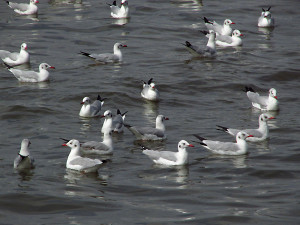
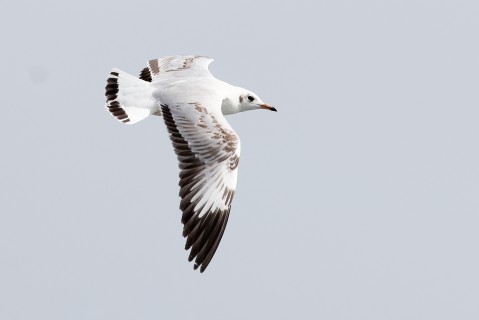
Every “winter” the gull flock at Bang Poo is more than 2000 birds strong and with ever-increasing numbers of Thai day trippers feeding the gulls this large flock of gulls is likely to remain a feature of birding in Thailand. A Lesser Black-backed Gull had been seen there a few weeks back, only Thailand’s second record, and although it had not been seen since I decided to spend a lazy afternoon on the pier to see if I could find any rare gulls for myself.

Read more »

spoonbilledsandpiper.jpg

Return of the Spoon-billed Sandpiper – Thailand Birding

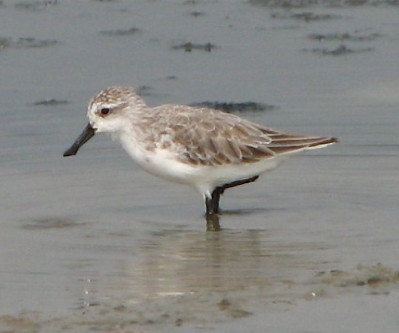
Last week I made my first visit to Pak Thale this “winter” to see Spoon-billed Sandpiper. The first record of this highly sought-after species this season was on 27th October at Khok Kham where Mr Tii found one bird. A total of 7 Spoon-billed Sandpipers have been found at various sites around the Gulf of Thailand in the last few weeks with a maximum of 3 at Pak Thale but on my visit on 12th and 13th November they were much harder to find than they would normally be.

Read more »

spoon-billed-sandpiper-fact

Spoon-billed Sandpiper Recording Information Pages

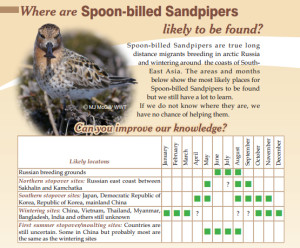
The Spoon-billed Sandpiper Task Force of East Asian-Australasian Flyway Partnership has published a nice, 4-page, fact sheet on this critically endangered species.

The fact sheet contains illustrated information on Spoon-billed Sandpiper plumage details and ages as well as the known areas and times of the year that it occurs. The fact sheet is designed to encourage birders to submit detailed observations of this species from the field. With this in mind there are details on how to record observations of this species and where to send the information. Read more »

Eared Pitta

Thailand Birding: Nesting Birds

The majority of Thailand’s breeding birds nest between March and July, making this a great time to see many resident species as they construct nests, display and feed their young. In the forest this means that many of the resident species that can be very hard to find for much of the year suddenly become easier to see.

From 17th to 21st June I spent time at Kaeng Krachan national park and rice fields close to Petchaburi where I saw a lot of tricky to see forest birds as well as a lot of nesting species with young.  Read more »

Free WordPress Themes