Thailand Birding: Some Photos from the South

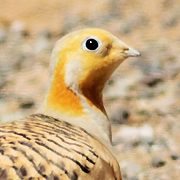
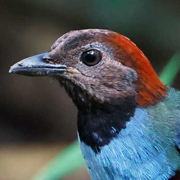
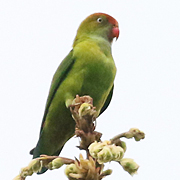
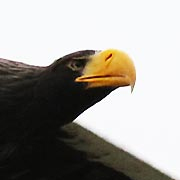
On my trip to Southern Thailand I took a number of photographs to add to the relevant pages of thaibirding.com. As I also visited a few new places I took photographs for upcoming pages on those locations too, but for the meantime I will post the photos here for people to view.

Photos from Krabi

Photos from Khao Sok

Photos from Krung Ching Waterfall

Photos from Krabi Tiger Cave Temple

, , ,

Thailand Birding: A Trip to the South

Yesterday evening I returned to Bangkok after a 10 day trip to southern Thailand; the trip was a mixture of birding and visiting friends. For the birding I visited Laem Pakarang, Khao Sok, Krabi Mangroves, Krung Ching waterfall and the Tiger Cave Temple.

I don’t make many trips to southern Thailand so it is always interesting to see so many species that I don’t often see – even many of the common birds in the south haven’t bored me yet.

A good number of shorebirds were present at Laem Pakarang with the highlight being a Terek Sandpiper.

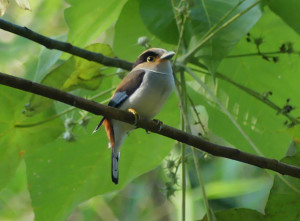
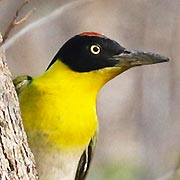
Birding at Khao Sok was very slow but eventually some good birds showed themselves. Highlights were Buffy Fish Owl, Fulvous-chested Jungle Flycatcher, Black-and-red Broadbill, Black-and-yellow Broadbill, Chestnut-naped Forktail, Bushy-crested Hornbill, White-crowned Hornbill, Great Hornbill. The Buffy Fish Owl sat out in the open in the daylight for so long that I managed a couple of record shots using a digital camera through my binoculars.

In the mangroves at Krabi things were pretty quiet apart from good numbers of Brown-winged Kingfishers calling and easily seen. One Mangrove Pitta responded to call playback and gave me good views.

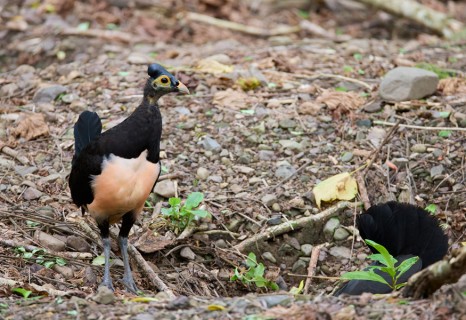
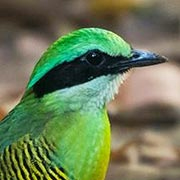
By far the highlight of the birding portion of my trip was Krung Chiang waterfall in Nakorn Sri Thammarat province. I will write a full trip report soon but for now it is enough to say that the forest there is excellent, it has decent accommodation and a really nice trail for birding. My bird highlights were Maroon Woodpecker, Buffy Fish Owl, Scarlet-rumped Trogon, Green Broadbill, Banded Pitta, Maroon-breasted Philentoma, Gold-whiskered Barbet, Brown Barbet, Dark-throated Oriole and Blyth’s Hawk Eagle.

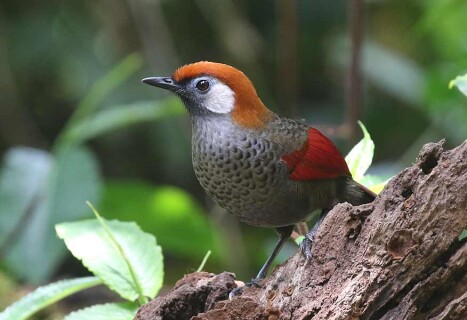
On my last day in Krabi I visited the Tiger Cave Temple to look for Streaked Wren Babbler. I eventually found a pair which I saw well and also found some other good birds: Black-and-yellow Broadbill, Banded Kingfisher, Gold-whiskered Barbet and Fulvous-chested Jungle Flycatcher.

More will follow on this trip soon.

, , , ,

Butterflies at Bueng Boraphet

During a 2-day trip to Bueng Boraphet the sun came out of the clouds for few hours which brought on quite a bit of butterfly activity. Getting photos of them was not an easy task but with such an abundance of butterflies I eventually managed to get some decent shots.


, , , ,

Thailand Birding: Bueng Boraphet

White-eyed River Martin is the dream of every birdwatcher in Thailand and whilst I did not have any pretensions of finding it, I did head to Bueng Boraphet in Nakorn Sawan province, where the River Martin was last seen in 1978, for a couple of days with Alex Vargas.

On the morning of 13th August we drove to Bueng Boraphet and headed straight for the “bird park” on the southern shore of the lake and took a boat trip with Mr Panom. The boat was a reasonably large, flat-bottomed thing with seats and an open front and sides, making for good viewing. At this time of the year things are fairly quiet and there were fewer birds than we would see on a similar trip in the “winter”. However, there were good numbers of Spot-billed Pelicans with at least 40 birds present and we were able to get quite close; close enough to get a couple of reasonable photos with just my compact camera.


As we travelled around the lake it was easy to get great views of Pheasant-tailed Jacana and Bronze-winged Jacana too, with plenty of juveniles to see. Other waterbirds that were abundant were Asian Openbill, Purple Swamphen, Little Grebe, Great Egret, Little Egret, Purple Heron, Little Cormorant and Yellow Bittern. Although things were quiet we had a few highlights, one being a Barn Owl perched in some waterside vegetation which we were able to approach quiet closely. Another good bird was an Oriental Darter which we got close to and 3 White-winged Terns were interesting migrants.

On the way back to the shore we came across a Cinnamon Bittern, some Lesser Whistling Ducks, a White-browed Crake and a Little Grebe with two chicks on its back – a very cute scene.

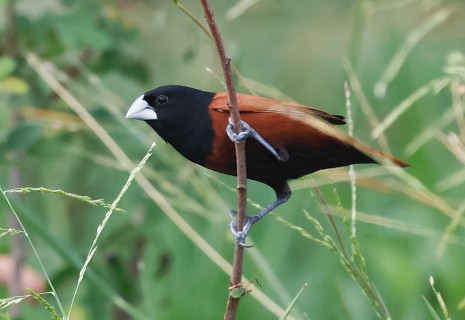
Bueng Boraphet is not all about waterbirds, there is a good helping of open-country species to see too; we saw plenty of Baya Weavers and their nests and quite a few Blue-tailed Bee-eaters. Other species included Chestnut Munia, Scaly-breasted Munia, Indian Roller, White-throated Kingfisher, Pied Fantail and of course lots more of the commonest open-country species.

After the boat ride we headed into Nakorn Sawan for lunch in Pizza Hut which left us a bit bloated. The next thing to do was find a hotel and we found a pleasant one on the main road through the town – The Asia Nakorn Sawan Hotel – at 750 baht per night for a large, air-conditioned room it was good value for money.

At 3pm we drove to the fish research station on the north shore of the lake for a few hours. Here we took a walk around the crocodile pen where a colony of Asian Golden Weavers was easy to observe. We noticed that at one nest which was very close to the walkway a female was bringing food to the chicks every minute or so. Close by a male was collecting nest material and flying away from the nest, every time dropping the nest material into the water. We speculated that he was attempting to distract our attention from the nest by this behaviour – it’s possible, birds are remarkable creatures.

A walk around the research station turned up Oriental Magpie Robin, Plaintive Cuckoo, Streak-eared and Sooty-headed Bulbul, Coppersmith Barbet, Fulvous-breasted Woodpecker, Lesser Coucal, Plain-backed Sparrow and Ashy Woodswallow. Scanning across the lake we saw plenty more waterbirds, a couple of Long-tailed Shrikes, a large flock of Whistling Ducks, Black-crowned Night Herons and a distant Pied Kingfisher. A number of Oriental Darters were nice but a drunk driver crashing into Alex’s car and wrecking it as we were putting our equipment in to it was not so nice and resulted in a 5 hour wait at the accident site and police station. Not the best way to prepare for the next day’s birding.

Above are some photos I took around Bueng Boraphet on the two days we were there. On the 14th we didn’t start until late, due to our previous evening but it didn’t seem to matter. Walking the nature trail at the bird park on the southern side of the lake we got most of the waterbirds from the previous day and added Indian Cormorant to the waterbird list. 6-7 Darters were a nice site and there were plenty of other species to see. Highlights were a Chestnut-tailed Starling and a female Shikra but other birds included Black Drongo, Common Iora, Baya Weaver, Red Collared Dove, Cattle Egret, Plaintive Cuckoo, Indian Roller, Zitting Cisticola and Yellow-bellied Prinia.

After spending some time taking photos of butterflies and sheltering from a rain shower we decided to head home at about 2pm, arriving in Bangkok at about 5pm.

, , , ,

notes.jpg

Thailand Birding: Counting Waterbirds at Muang Boran Fishponds

Counting waterbirds can be tricky despite the fact that the open nature of the habitat apparently makes seeing all the birds easy. However, due to many waterbirds skulking amongst thick vegetation, which is usually flooded and inaccessible, making accurate counts can be harder than it first seems. probably the simplest method of making useful counts in this habitat is to use a series of counting points and count birds for a set period of time, making note of the counting points for later use; this type of counting is usually referred to as making “spot counts”.

Back in June I visited Muang Boran Fishponds to make a series of spot counts in order to get some idea of the size of the resident waterbird population at that location. On Saturday 9th August I revisited the site and repeated the counting process.


Records from a soggy notebook

It has to be said that fewer birds were present than I anticipated, the reasons for this could include the disturbance levels on the day of my visit or could simply reflect the fact that I had over estimated the numbers present; further counts will make the picture clearer. However, good numbers of several interesting species were present including a number of family groups of White-browed Crakes and at least one Pheasant-tailed Jacana taking care of 3 tiny chicks. Some of the more interesting counts included 50 Little Grebes, 43 Pheasant-tailed Jacanas, 48 Javan Pond Herons and 7 Black Bitterns. A full write up of the waterbird count can be found here: Waterbird Counts at Muang Boran Fishponds.

The total number of species seen was 51. Here is the day list in no particular order.

1. Lesser Whistling Duck
2. Little Grebe
3. White-breasted Waterhen
4. White-browed Crake
5. Pheasant-tailed Jacana
6. Bronze-winged Jacana
7. Yellow Bittern
8. Little Egret
9. Cattle Egret
10. Great Egret
11. Intermediate Egret
12. Javan Pond Heron
13. Little Heron
14. Black Bittern
15. Indian Cormorant
16. Little Cormorant
17. Wood Sandpiper
18. Common Sandpiper
19. Black-winged Stilt
20. Little Ringed Plover
21. Red-wattled Lapwing
22. Oriental Pratincole
23. Streak-eared Bulbul
24. Yellow-vented Bulbul
25. Zitting Cisticola
26. Asian Golden Weaver
27. Scarlet-backed Flowerpecker
28. Common Iora
29. Large-billed Crow
30. Common Myna
31. Black-collared Starling
32. White-vented Myna
33. Asian Pied Starling
34. Plain Prinia
35. Yellow-bellied Prinia
36. Scaly-breasted Munia
37. Chestnut Munia
38. Striated Grassbird
39. Indian Roller
40. Barn Swallow
41. House Swift
42. Asian Palm Swift
43. Oriental Magpie Robin
44. Pied Fantail
45. Black-crowned Night Heron
46. Spotted Dove
47. Peaceful Dove
48. Red Collared Dove
49. Rock Pigeon
50. Eurasian Tree Sparrow
51. Asian Koel

, , , ,

Thailand Birding: The Jeep Track at Km 37.5, Doi Inthanon

Doi Inthanon is one of the best birdwatching locations in Thailand with a variety of habitats that makes for a wide range of bird species with one of the biggest checklists of any national park in Thailand.

The well known jeep track at kilometre 37.5 is one of the best spots on the mountain for finding a number of species including some hard-to-find ones such as Green Cochoa and Slaty-bellied Tesia. Currently the entrance to the track is quite overgrown but can be found next to a small parking area with toilets, just after a checkpoint and it is well worth squeezing through the first few metres of overgrown vegetation to spend some time on the trail.

Sometimes birding along this trail can be quite difficult with little bird activity but at other times there can be a lot of action with many species in mixed flocks. Whatever the level of bird activity on any given day, it is worth persevering as there are a number of nice birds to be found along here. However, even if there are few birds to be found, one thing that never changes is the quality of the forest along this track and few visitors fail to be impressed by the size of some of the trees and the abundance of fern, mosses and fungi – it really is a beautiful place.

On a recent trip on the 26th July (A Day Trip to Doi Inthanon), Phil Hitchens and myself found time to appreciate the forest; here are some photographs of plants and fungi along this trail.


Unfortunately, a few photographs cannot do justice to this beautiful, mossy forest so I suggest going to Chiang Mai, hiring a car and driving to Doi Inthanon to experience it for yourself.

In terms of birdlife on the jeep track Km 37.5 virtually every mixed flock will contain Grey-cheeked Fulvetta, Golden Babbler, White-tailed Leaf Warbler, Grey-headed Canary Flycatcher, Chestnut-crowned Warbler, White-throated Fantail and Lesser Racket-tailed Drongo whilst Rufous-winged Fulvetta, Yellow-cheeked Tit, Large Niltava, Chestnut-fronted Shrike-babbler, Rufous-backed Sibia, Grey-throated Babbler, Brown-throated Treecreeper, Mountain Tailorbird, Mountain Bulbul and Grey-chinned Minivet are also frequently found in mixed flocks.

Some of the specialities are harder to find though, and it can be frustrating to read trip reports listing Rusty-naped Pitta, Slaty-bellied Tesia, Green Cochoa, Black-throated Parrotbill, White-necked Laughingthrush, White-tailed Robin and Silver Pheasant for the jeep track and then walk along it oneself and see only a few leaf warblers and fulvettas for your trouble.  To get the best of the birding here one needs to know the calls of the “good” birds, be patient and spend several sessions on the track and have some good fortune into the bargain. But don’t forget, if the birds are not performing just enjoy being amongst such beautiful forest and take a closer look at some of those ferns and mosses.

, , , ,

Silver-breasted-broadbill9

A Rainy Season Birding Trip – Thailand Birding

Few birders come to Thailand in the rainy season, there are a number of reasons for this:

Reasons not to visit Thailand for Birdwatching in the Rainy Season
1. It keeps raining.
2. Winter visitors such as Spoon-billed Sandpiper are not present.
3. Trees have more foliage on them, making bird finding harder.
4. Leeches.

However, my recent rainy-season trip with Robert L. King proved very successful and we found a number of species that are usually very hard to find at other times. There are a number of good aspects to birding in Thailand in the rainy season: Read more »

Free WordPress Themes