swinemoor-121007.jpg

A Quick stop at Swinemoor

With the excitement of the good birds at Swinemoor yesterday, I took a quick look again this morning. Despite there being plenty of flooded patches for feeding waders the numbers of birds had decreased from yesterday.
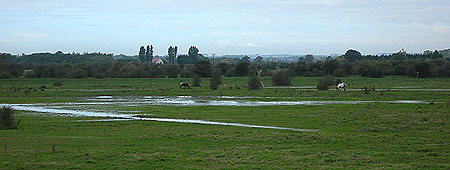
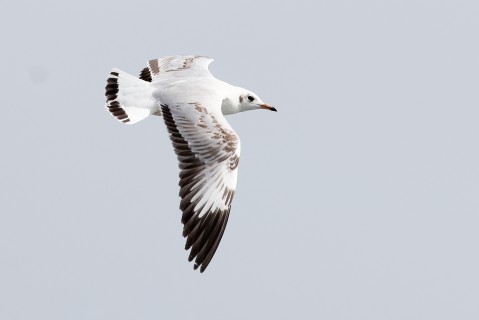
Numbers of Lapwing were down to about 60-70 along with about 20 Black-headed Gulls and at first I didn’t find any of the smaller waders at all. However, after a bit of scanning I found a single female Ruff alongside the Curlew Sandpiper from yesterday. Whilst watching these a group of Golden Plovers circled around at height and gradually made their way down to the common – for some reason though they decided not to land. Further along a Grey Heron was lurking in the reeds and I spotted some more smaller waders: 4 Dunlin, which had been joined by the Curlew Sandpiper, and 3 Ruff – 2 females and 1 male.

Across the common large numbers of Meadow Pipits were bathing in the pools and chasing each other around. While there are always loads of Meadow Pipits at Swinemoor, today there seemed to be more than usual. I also came across 2 Skylarks and at least 15 Snipe. Walking alongside the River Hull a flock of about 80 Fieldfares moved in and I also flushed 12 Redwings from a hawthorn tree.

Back on the floods another bird had arrived, and a good look revealed it to be a Greenshank – another nice bird to see here; I have a few records of this species over the last few years, but all in spring.

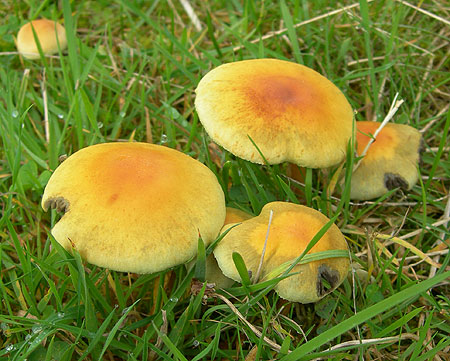
Amongst the grass and dung I spotted loads more of the white fungus I found yesterday, having looked at an old book I have I think it may be Coprinus niveus, but I’m not at all sure. I also came a cross a rather nice example of another, rather phallic, fungus – and took a few pictures. If anyone knows anything about fungus I’d appreciate some help with id – cheers..

pectoral-sandpiper-2.jpg

The Swinemoor Wader Festival

Well, this wasn’t so much a festival as a “small gig at an intimate venue”, but for this location the number and variety of waders present today was quite impressive. A misty start to the morning turned into a pleasant, sunny day and having seen a good number of birds on monday at Swinemoor I thought it would be worth another look, particularly as the rain on tuesday was likely to have increased the flooding; and it seems I was right.

First of all I came across a few Redwings and some Blue Tits, then I found an attractive white fungus which I took a bunch of photos of.

After this artistic moment I walked along to view the birds on the floods. At first the bright sunlight made viewing the birds a problem and I could only make out the larger species – about 250 Lapwings and 32 Golden Plovers, along with 37 Black-headed Gulls and 4 Common Gulls. Moving along a little a flock of Starlings moved off and amongst them I could see at least 7 Ruff, so I moved off after them.

At Swinemoor there is a stone bridge which crosses the Beverley-Barmston Drain and as I approached this some horses disturbed the group of Ruff which flew off in the company of a Curlew Sandpiper – I could easily see the white rump. I followed the Curlew Sandpiper until it landed where it joined a group of other small waders. These birds were close enough for me to make out that the Curlew Sand was an immature bird along with a dozen or so Dunlin. Scanning to look for other species I came across 2 Little Stints foraging alongside each other, these too were juveniles and I was becoming quite impressed how many good birds there were. From my right I heard the call of a Curlew and quickly spotted it coming in to land followed by a Sparrowhawk! The Sparrowhawk, however, was chased off by a Lapwing – if only I could capture these moments on video.

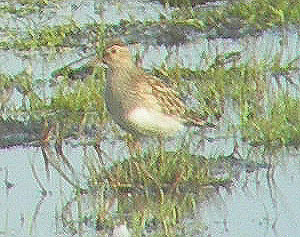
Well, whilst these thoughts were in my mind I had an amazing stroke of luck: 2 birds came in to land about 40 feet away from me. I raised by binoculars to see that one was a Ruff and the other a Pectoral Sandpiper! I took a good look at this bird, making sure that I’d identified it correctly before realising I had my camera with me. Hastily I took a couple of shots through my binoculars before studying the bird in more detail.


After a few minutes of this both birds flew off and I followed them to their next resting place. The Pectoral Sandpiper began feeding alongside the Dunlin, Little Stints and Curlew Sandpiper so for a short time I had all these species in my field of view.

Whilst watching these species lots of Snipe were busy chasing each other around and a pair of Mute Swans crash landed in the floods, which I guess they thought were a little deeper than they really were.

Walking around the common I continued to get views of all these species and kept flushing up large numbers of Meadow Pipits and a few Skylarks. At the far end of the common I found another Ruff; this time and adult male in winter plumage – and that was about it as far as birds were concerned.

crows3.jpg

Jackdaws and Rooks

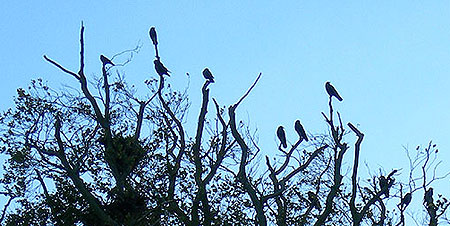
Today, whilst I was waiting to collect my wife from work at Bishop Burton college, I took a few pictures of Rooks and Jackdaws in the trees. The college has a pretty big population of both these species with loads of nests in the numerous tall trees.

The interesting thing to note here is that most of the leaves have already fallen off the trees.

yellow-fungus-6blog.jpg

Redwings in the Sun

A walk to Eske today was very pleasant due to the warm sunshine, despite the fact that there was not a great abundance of birds to be seen. Almost nothin of interest turned up on the walk up to the lake apart form a freshly ploughed field which had attracted a flock of Black-headed Gulls and a few Stock Doves.

At the lake far fewer ducks were present compared with last week, even though hoards of Greylag Geese were in residence along with 2 Pink-footed Geese. Just 5 Wigeon were on the lake today with 4 Shoveler, 1 female Goldeneye, 22 Tufted Duck, 34 Mallard and a small number of Coot, Moorhen and Great Crested Grebes. Whilst watching the birds on the lake 4 Mute Swans landed with a crash on the water.

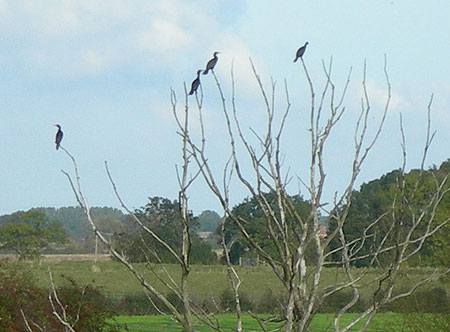
I walked around the back of the lake and found some extremely warm sunny patches overlooking the small pools surrounded by scrub. A group of 4 Cormorants were surveying their domain from the top of a dead tree and every bush seemed to have a couple of Redwings in it. The Redwings were constantly flying across the pools and in the sunlight I got some very nice views. Also in the pools were a couple of Kingfishers and a group of 9 Gadwall and 2 Teal that didn’t seem to have spotted me.

Whilst standing watching the Redwing activity near these pools a group of 9 Swallows came in from the north and began feeding on insects flying in the warm sunshine. After a few minutes they continued southwards; I guess they might be the last Swallows I see this year. The next bird to show itself at this spot was a Snipe which was flushed out by a foraging Coot and 2 Kestrels flew over together.

That was about it as far as birds were concerned apart from a few common species such as Chaffinch, Goldfinch and Blackbird, although I got a brief view of a Great Spotted Woodpecker. However, I came across some yellow fungus that made a fairly interesting subject to photograph although I managed to get only a few decent ones amongst loads of blurry photos.

I took a swift walk back to the car and got quite hot in the process. I also came across a Red Admiral butterfly, a Small White and a Small Tortoiseshell as well as even more Redwings which seemed to be arriving in lots of small flocks. I also took a look at all the Black-headed Gulls hoping to find something more interesting but was out of luck.

damselflies-1.jpg

Blue-tailed Damselfly

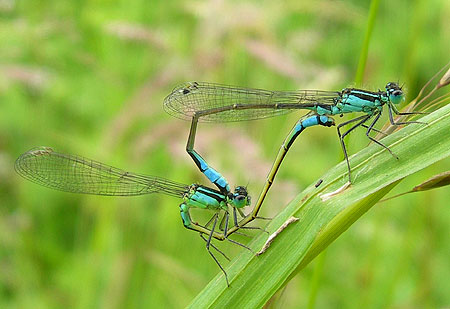
With the dull, wet weather today I had time to sort out some more of the photos languishing on my hard drive. I found some nice photos of Blue-tailed Damselflies (Ischnura elegans) that I took on a nice sunny day in April, at the lake at Eske. In a sheltered, sunny spot a large group of these damselflies were busy mating and allowed me to get very close in order to take the following pictures.

Migrants at Swinemoor

Although I intended to walk to Eske today, I decided to see if there was any flooding on Swinemoor that might attract migrating waders. It turned out that there was a decent amount of water on the common so I strolled out to see what was around.

It turned out to be a good decision: heading south along the Beverley-Barmston drain I heard and then saw a Kingfisher which perched on a hawthorn bush. Also a small number of Redwings were feeding on hawthorn berries along with a large group of Long-tailed Tits foraging for insects. On the floods a group of around 70 Lapwings were feeding and 17 Black-headed Gulls were loafing around. Getting a little closer I spotted a group of Dunlin feeding. I counted 9 birds, most of which seemed to be juveniles. The Dunlin were joined by a single Redshank and at least 12 Snipe were chasing each other around and feeding in the wet grass.

Walking further south along the common large groups of Starlings were flocking and feeding in the mud and a group of about 120 Golden Plover couldn’t decide whether to land or not, circling for about 15 minutes before a small number of them landed.

In some trees I spotted 5 Greenfinches and 3 Tree Sparrows but not much else.

Heading back, northwards along the River Hull, I stopped to take a look at a group of Starlings feeding in flooded grass, and spotted 11 Ruff amongst them. All these birds seemed to be immature with 3 males and 8 females. Also in the rough grass was a Curlew preening and a couple of Mallard. With so many birds feeding in the floods I stopped to look into every damp patch and flushed a second Curlew out as well as a Little Stint. The Stint landed quite close by and revealed itself to be a juvenile bird, possibly the same bird as I saw a few days ago a little further up the river.

Whilst watching the Stint I heard a group of Fieldfares, and scanning the skies I spotted a flock of 10 Fieldfares heading north. Don’t they know they are supposed to be going south? I followed them north going back to the car and on the River Hull flood defences a female Wheatear popped out of the weeds and proceeded to head north also – another disoriented bird!

One down side about Swinemoor at the moment is that it is swarming with scruffy horses which annoyingly hog the tracks and flush out the birds as one tries to watch them.

dragonfly7.jpg

Common Darter

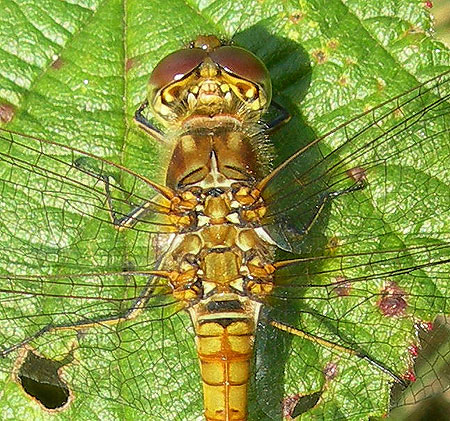
I found out, with the help of  the members of birdforum, that the dragonflies I photographed on monday were all Common Darters Sympetrum striolatum. From what I understand, the male is the red one and the female is the green one. They certainly are common at Eske and I have seen plenty of them over the last few months. Here are some more photos of them:


I guess it is about time I got a book on dragonflies so I have some idea of what I am looking at, particularly as I am told that Eske and the Leven canal are important areas for dragonflies and damselflies within East Yorkshire.


Free WordPress Themes