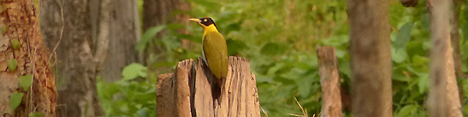
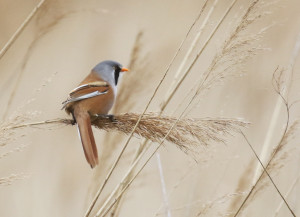
Bearded Tit is one of the most striking of bird species in Britain and one that is coveted by many bird watchers and photographers alike. Having made a number of bird photography trips with Michael Wong recently he had expressed an interest in photographing this superb bird but with lots of windy weather it had seemed like a fool’s errand. However, looking at the weather forecast it was predicted to be fairly calm although overcast. Trying to get good views of reed-dwelling birds like Bearded Tit in windy weather is a punishing task but with a gentle breeze and some sheltered areas of reeds at nearby Swanscombe it seemed like we had a decent chance of this and we could take our chances with whatever else showed itself.
Wetland Birding in Khorat | Birding in Thailand
Thailand is full of Birds Thailand is an extremely popular birding destination because of a number of top-quality sites around the country that provide the opportunity to see a wide variety and number of species, including many that are hard to see elsewhere or have very limited global ranges. Many species of birds are more [...]
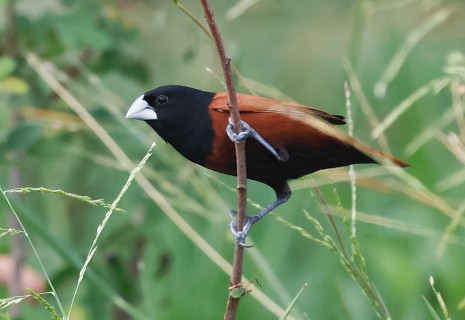
North Sulawesi Highlight Species | Birding in Indonesia
After leading the highly successful 2026 edition of the Calidris Birding Tours North and Central Thailand tour, I had some time to spare and decided on a return to Indonesia. previously, in 2024 to focus on North Sulawesi’s endemic species. This trip report covers top sites on Sulawesi’s Minahasa peninsula — Gunung Mahawu, Dumoga-Bone and [...]
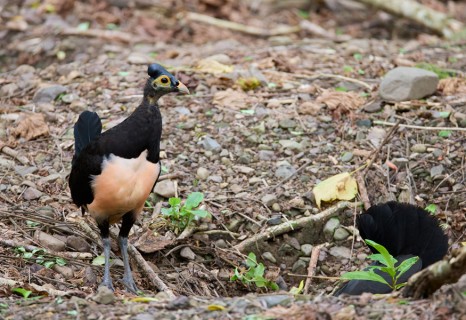
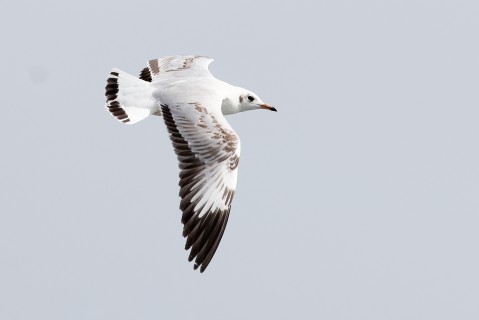
Gull Feeding Frenzy at Samut Sakhon | Birding in Thailand
A beautiful sunrise, thousands of birds, the sound of the sea; all the ingredients for one of the world’s birding hotspots, but in reality this is the atmosphere I was able to enjoy on a short morning excursion from Bangkok when visiting the “Red Bridge” coastal boardwalk in neighbouring Samut Sakhon province. Rather than being [...]
Birds in a Park in Bukhara | Birding in Uzbekistan
Uzbekistan is one of those countries that is great for birding and at the same time extremely interesting in touristic terms too; an ideal place to travel with a non-birding partner and then to find time to go birding in locations near the tourist spots and to visit some really spectacular scenery. In late April [...]
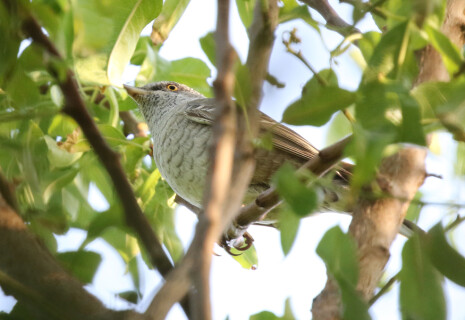
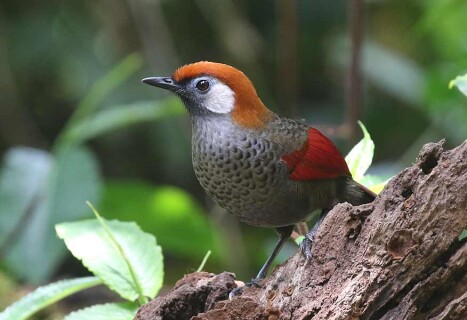
Top 5 Birds of Vietnam Birding Tour 2025 | Birding in Vietnam
ietnam is the country in mainland Southeast Asia with the highest number of endemic species and the best place to see a number of regional endemics too as well as a fantastic supporting cast of more widespread birds. Leading the Calidris Birding Tours trip to Southern and Central Vietnam in March/April 2025 gave all participants [...]
Yellow Wagtail T-Shirts
 May 14th, 2021
  Nick
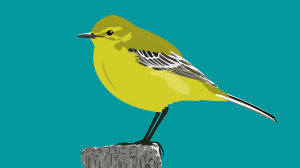
Nick Yellow Wagtail is one of the most colourful summer visitors to Europe and a real sign that Spring is well under way. I was lucky enough to get some nice photos of several individuals over the last week or so and after a request I found myself inspired by this beautiful bird to create an illustration to use on one of the t-shirts I have produced - Unique Designs Bird T-shirts. I have seen several subspecies of Yellow Wagtail in Britain but the most commonly occurring is Motacilla flava flavissima and I have used that to base my illustration on for four slightly different designs on t-shirts. The four designs and links from which to order them follow. Read more »
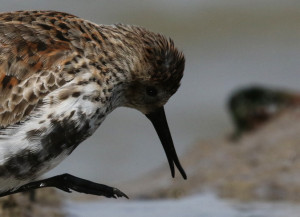
Dunlin Rhynchokinesis | British Birding
May 14th, 2021 Nick Feeding niche and bill evolution specific to prey was shown by Charles Darwin to be an extemely important factor in speciation in birds and this is seldom so obvious than in shorebirds. The wide range of bill sizes and shapes in shorebirds is an obvious indicator to the different feeding techniques they employ and the different types of prey they search for. Most of us think of wading birds as having straight bills, upturned bills or downturned bills and this is obviously true, but what is less well know is the ability they have to change the shape of their bill through a process called rhynchokinesis. This is usually impossible to see with the naked eye as it happens so quickly but I have found that it can sometimes be seen in photographs once I have returned home to study the images.
Over the course of a few visits I have been able to get very close to roosting Dunlin and was lucky enough to have excellent light that allowed me to take a series of high-quality photographs, some of which revealed this phenomenon. Read more »
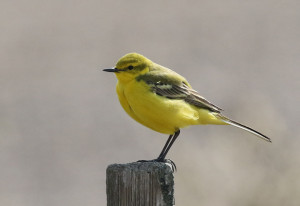
Spring Birding at Dungeness | British Birding
May 5th, 2021 Nick Early May and Spring migration is in full flow with large numbers of common migrants arriving, passage migrants passing through and resident species in full song with many of them well into their breeding cycle. What better day to head to one of Kent’s bird migration hotspots: Dungeness. This mass of shingle extends into the English Channel, making it a good place to spot passage seabirds and the mosaic of habitats includes beach, gravel pits, freshwater marsh, arable fields, pasture, reed beds and a network of ditches and scrubby bushes. This variety of habitats means that a lot of different bird species can be seen here on a good day.
I began my day by birding along a large reedy ditch that forms a green area within the shingle desert, close to the beach that often turns up some interesting and rare migrants. However, fine weather and no breeze meant that it was perfect for birds to fly and there were not many grounded migrants to start with. Throughout the day visiting many different parts of the Dungeness peninsula and rapidly changing weather conditions meant that I saw a lot of good birds including some great photographic opportunities with commoner birds as well as some much scarcer birds out to sea. Read more »
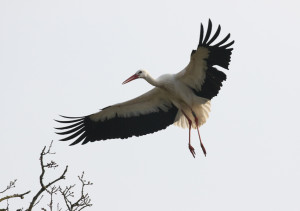
Nesting White Storks | British Birding
May 1st, 2021 Nick Anyone in Britain who has an interest in bird conservation and wildlife is likely to have heard of the White Stork Project which aims to reintroduce White Storks to the UK. Equally the successful nesting at the Knepp Estate Rewildling Project is likely to be on the radar of most nature-lovers in UK and as someone who has always been interested in conservation, and particularly rewilding projects, I took a trip to West Sussex to visit the Knepp Estate and see the storks for myself.
The Knepp Estate used to be intensively farmed but has been transformed by converting to extensive grazing by traditional breeds that are free to wander over the whole estate. There animals graze where they want and keep some areas of vegetation short where other areas develop into scattered scrub and woodland. I took a long walk around the site and it is a very pleasant place to visit with a landscape like no other I can remember in Britain and with White Storks nesting successfully it attracts a lot of visitors who want to see this key conservation species. I saw five different nests and spent some time watching the Storks go back and forth from them, particularly one nest which was in a tree very close to a public footpath. Read more »
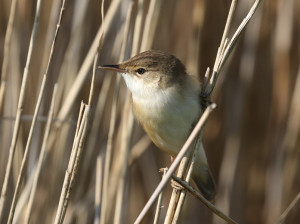
Higham Marshes in Early Spring | British Birding
April 26th, 2021 Nick Winter birding brings its own set of treats and surprises but after months of weather typical for the season it has been nice to have some sunshine over recent days, albeit often with a chilling breeze. Yesterday morning was a bright start to the day and promised to deliver some new arrivals of migrant birds, both summer visitors and perhaps passage migrants. Currently I am lucky to have just a short drive to a location that delivers a good variety of habitats that attracts a surprising number and variety of birds at Higham Marshes and being there in the morning sunshine with the site full of birdsong was a delight.
My plan for the day was to start in an area of damp fields with patches of mature trees, scrubland and reedy ditches and walk across the grazing marsh dotted with wet areas up to the River Thames and see which migrant shorebirds were roosting on the patches of salt marsh at high tide. No sooner had I got out of the car than I heard the distinctive song of a Nightingale. Easy to hear but the next task was to actually see it. Read more »
Bird Photography at Shellness | British Birding
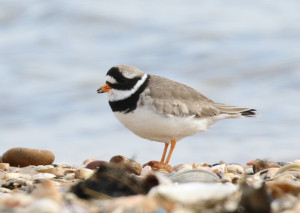
April 10th, 2021 Nick I have frequently visited Shellness, on the Isle of Sheppey, both to watch birds, including scarce migrants at the right times of the year,but also to photograph birds as good numbers of shorebirds frequently come close enough to get some nice shots. Today I paid another visit, this time with photographer Michael Wong who had contacted me to ask if I could help him find good bird photography location in Southeast England. With a fair weather forecast I could think of no better place to get away from it all and get some good bird photography opportunities than Shellness, particularly as we could expect a flypast of hundreds of Oystercatchers giving us a chance to get some interesting flight shots.
We were successful in this as well as enjoying a nice morning in a wild location, photographing a number of different species as well as seeing a wide variety of birds including Mediterranean Gull, a couple of late Brent Geese, returning Barn Swallows and my first Sandwich Terns of the year. Read more »