Swinemoor drying up!

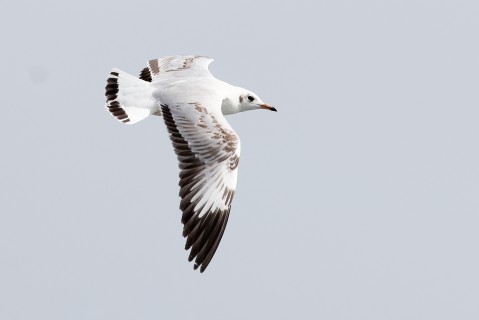
At about 5pm I went to check out Swinemoor again to see if any more migrants had turned up. The answer was no, but yesterday’s Ruff was still around and a large flock of about 700 Golden Plovers were getting ready for the night. 2 Snipe were busy nest making and the Lapwings were invloved in all sorts of breeding behaviour, including chasing away Carrion Crows attempting to raid their nests. The only other waterbirds were 5 Redshank, 4 Black-headed Gulls, a few Mallard and some Moorhens.

The most alarming thing today was how the water level had gone down in just one day. Although a lot of wet habitat remains, the amount of open water had decreased by about 50% since yesterday. I guess the pasture master must have opened up the drains to prepare the area for the horses which will arrive soon.

Some Spring migrants

The warm sunny weather was far too attractive to spend all day indoors working on my dissertation so a quick walk around Swinemoor was in order. Good levels of water still there and no horses yet to trample the grass and disturb the birds.

Singing Skylarks and Meadow Pipits, along with the sun, made it feel more like summer than anything else. Fairly soon after my arrival I heard my first Willow Warbler of the year. I managed to track it down into a hawthorn bush when a passing dog-walker flushed it.

A quick look at the wet areas revealed 2 Shelduck which I assume will probably spend the rest of the spring there as they usually do.

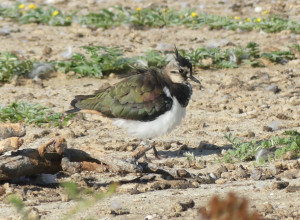
Also on the wet areas were 3 Redshank, 8 Golden Plover, 13 Snipe, around 30 Lapwings and the star of the show – a first summer male Ruff. At least 3 Lapwings seemed to be sitting on eggs as they remained seated even when I got within about 20 metres. Also a pair of Snipe appeared to be nest building.

Other interesting birds included 3 Dunnocks involved in some sort of threesome activity, a Kingfisher, a Moorhen on a nest, a male Reed Bunting with nest material and a Pied Wagtail.

Interesting to note that today there were lots of people and dogs on Swinemoor, but they all stuck to the paths, staying off of the wet areas that the birds love. This suggests that it is the horses that arrive on Swinemoor around mid to late April that cause most of the Lapwings to desert their nests and not humans.

Northern Lapwing

Sunny Spring Birdwatching Walk – British Birding

After a nice lunch in the pub, my wife and I decided to make the most of the warm, sunny weather by going for a walk to the lake at Eske/Pulfin Fen, in the East Riding of Yorkshire. The warmth had made most of the birds rather lazy at this time of day, but a few Skylarks were singing away, creating a real atmosphere of birding in Britain on a lovely sunny spring day. A little way along the river a distant dog walker disturbed a small bird which settled in the vegetation next to the river, about 10 mentres from where we were standing. My immediate impression was that it was a Jack Snipe and I managed to confirm this by tracking it down and observing it from about 3 feet until it finally flew away south. Jack Snipe is a species I do not see very often but birding in East Yorkshire is a good way to come across one at the right time of the year. Read more »

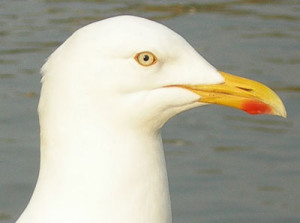
Herring-Gull-head-

Gulls in Bridlington Harbour | British Birding

Today, a brief shopping trip to Bridlington gave me some time to check out the birds in the harbour. With the tide in, and given the time of year, there were not too many species around; just large numbers of Herring Gulls of all ages. A single Lesser Black-backed Gull, a few Common Gulls and a lone Black-headed Gull provided at least a little variety and the only waders present were about twenty Ruddy Turnstones feeding on scraps left over from the day’s visitors.

Despite the low number of species it was interesting to sit and watch the gulls interact with each other and squabble over the food remains left lying around near the fast food outlets next to the harbour and it gave me plenty of opportunity to get some photos of them, with perfect light available and close-up views of the semi-tame birds. While gulls are not every bird watcher’s favourite group of birds, what I like about them is that it is often possible to watch them at close quarters and they have a lot of character. Read more »

Sunny Swinemoor

With it now officially being spring I went to Swinemoor Common in high expectation of something interesting having arrived by now; I wasn’t disappointed!

A good amount of water still remains creating a nice habitat for wetalnd birds. A large flock of around 200-300 Golden Plovers were bathing and their numbers were growing by the minute. Around 20-30 Lapwings were dotted around the common, defending territories, occasionally making their wierd, synthesizer-like call. 3 Common Snipe were involved in an on-and-off dispute and 2 Common Teal were feeding in the shallows. However, by far the best bird was a single Spotted Redshank which was very obligingly feeding very close to the path. At first I thought it was just a Common Redshank as there were around 6 feeding further away, but as soon as I looked through my binoculars it was obvious that this bird was a Spotted Redshank – the first time I’ve seen this species at Swinemoor.

Other interesting species were singing Skylarks, 5 Pied Wagtails feeding, 7 Meadow Pipits in song and a small flock of gulls: 5 Common Gulls, 9 Herring Gulls and 14 Black-headed Gulls.

Hornsea Seafront

My wife, Srasri, decided she wanted to go for fish and chips at Hornsea after work this afternoon, so off we went to make the most of the late afternoon sun. As usual we had too many chips, so we decided to feed what was left to the gulls.

After a few seconds we had around 50 Black-headed Gulls circling around. It was amazing to watch their aerial acrobatics as they caught the chips in mid-flight. Only once was there nearly a collision when 5 gulls all backed out of making the catch at the last minute with the chip falling into the sea.

We moved further up the seafront to a place where the sun was still on our backs and continued our chip tossing for the gulls. However, most of the chips were missed in flight and fell into the sea before being gobbled up. It became obvious that the sun was in their eyes and they were unable to judge the catching distance properly. We moved back into a shady patch and immediately the gulls catch rate went back up to almost 100%.

Other birds present were lots of Herring Gulls, Common Gulls and a single Lesser Black-backed Gull (graellsii). Also, 5 Red-throated Divers were on the sea and two Cormorants flew past. Interestingly, the Divers were still in winter plumage but the Cormorants had the white leg patch that indicates they are in breeding condition.

Signs of Spring at Swinemoor

Maybe I’m being too optimistic but all around me I’m beginning to see signs of spring all around me. Yesterday, my birdwatching walk on Swinemoor, brought me yet more spring-like experiences. Although there was still a large congregation of wintering gulls, including around 200 Black-headed Gulls, 150 Common Gulls and 6 Herring Gulls (5 adult, 1 first winter), plenty of birds were in song. Four Skylarks were in full song throughout my circuit of the common and lots of Meadow Pipits were performing their song flight. From a nearby copse of trees several Chaffinches were singing (if you can call it a song) and a single Yellowhammer was “tuning up”.

There were still plenty of Lapwings across the wet grass but rather than standing together in a flock they were dotted around, spaced apart regularly by about 30 metres as if they were establishing territories for nesting. Only a few Golden Plover were present (7 to be exact) but I’m sure more are still turning up to roost.

Other birds of interest were a Grey Heron catching frogs from a ditch and a group of Tree Sparrows bickering in a hawthorn bush.

Free WordPress Themes