Sunshine and some more migrants

Yesterday morning I made a quick trip to see the much reported Red-necked Grebe in a fishing pond at Weel, near Beverley. I parked my car in Weel and walked the short distance to the small pond where I very quickly saw the grebe. A very handsome bird, coming into summer plumage and this was most certainly the best view I’ve ever had of the species as it came to within about 10 metres of me at times. Every other time I’ve seen this species has been in winter and often at long distance in poor weather, so this was quite a treat. Unfortunately the bird seemsedto be injured. On its right hand side, a number of wing feathers were sticking out at an unusual angle and it was swimming slightly lopsided. When it stretched up to flap its wings it was unable to flap the right hand wing properly.

Lots of Willow Warblers were in evidence and a single Sedge Warbler was singing away and allowed me a brief glimpse. Other birds present were a pair of Reed Buntings, a singing Robin, a male Linnet, 4 Mallard, 4 Tufted Ducks and 7 Coot.
Figham in the sun

In the past all my visits to Figham Common have been in the winter and it has become a place that I have associated with windy and overcast weather. So, today seeing it in bright sunshine and getting quite hot walking around was quite unusual. Unfortunately I chose the hottest part of the day to go out and birdwatching was not at its best. Still, I managed a few site ticks, which was pretty simple due to the arrival of a number of common migrants.

Most notable was the large number of Willow Warblers, with over 30 heard and 4 seen; a single Chiffchaff was pretty lonely in comparison. Two Swallows were another sign of summer, but other species were tricky to find. A small group of 4 Linnets and a singing male Yellowhammer were nice to see and in a nearby pond a few common species were hanging out – Tufted Duck, Greylag Goose, Coot, Mallard and Moorhen.

Walking alongside the Beverley-Barmston drain revealed a pair of Kingfishers excavating a nest hole in the steep sandy bank – I’ll have to come back at a later date to see if any young fledge.

A number of Pheasants made themselves noisy as I walked back to the car but the real surprise was in the reeds on the river Hull next to the car park – a singing Sedge Warbler. This seemed quite early to me so I listened for around ten minutes to make sure and finally caught a glimpse, but enough to be sure that I’d identified it correctly by song (well, I don’t know what else I thought it might have been!).

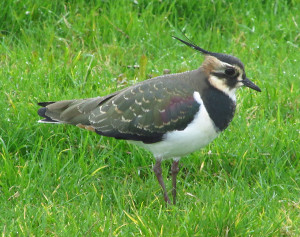
lapwing

Masses of Migrants at Swinemoor

Having arrived back in Beverley at 6pm the good weather drew me towards Swinemoor for a quick look for spring migrants. A quick look turned into a long look as there were plenty of birds to see.

On the wet grass 20-30 Lapwings were still hanging around as well as about 100 Golden Plovers and I very quickly located the Ruff that has been in residence for a while now – it has now begun to get some ruff feathers, nothing spectacular, presumably it is a first summer bird. Also very quickly spotted was a Little Ringed Plover which turned into two which multiplied further into three when I looked more thoroughly! All three birds were quite active, moving around a lot and at times they were making dipping courtship movements to each other. Another very welcome migrant was a beautiful male Yellow Wagtail. Also of interest were a number of Snipe, some of which were nesting and at least two of which were drumming males.  Read more »

BBQ at Dungeness

Yesterday I went to Dungeness with my wife and younger sister for a barbeque on the beach. Although this wasn’t a birding trip at all, it is difficult to sit on the beach at Dunge in spring and not see something.

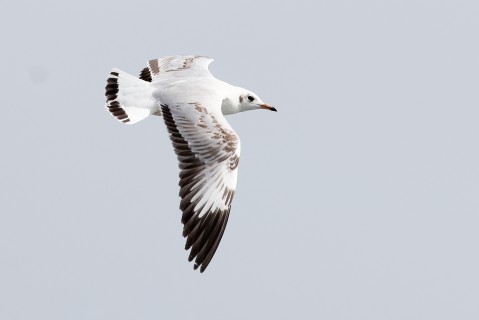
From 1-6pm only a few birds were seen but all afternoon two Cormorants were performing a synchronised diving session in the sea directly in front of us. Lots of gulls were around, most of which seemed to be Herring Gulls but a few Black-headed Gulls glided past. I’m sure there were other species if I’d had the time to look properly. However, we did see 4 Swallows come in off the sea and a group of 36 Whimbrel also arriving.

Most of the day was spent eating shrimps, beef, squid and salmon, but when we got back to the car there was time for a brief look around. Along with the usual Meadow Pipits, Starlings, House Sparrows and Linnets was a female Ring Ouzel foraging outside the old lighthouse. Just as I said, almost impossible to fail to see something of interest at Dungeness at this time of year.

Hornsea Mere

This afternoon I went, with my wife, to Hornsea Mere to feed the ducks – hardly the cutting edge of ornithology but enjoyable anyway. We took some bread and proceeded to be mobbed by a gang of about 20 Mute Swans with a few Canada Geese trying to get into the act. It was quite funny to see the swans pecking any geese or ducks that got near, not to mention pecking each other quite violently at times. My wife and other duck feeders spent most of their time running away from the swans whilst throwing bread down to divert the unwanted attention.

Once the bread was finished we sat in the car to watch other people feeding the birds. Then I remembered some bird seed that was in the car, so I put this out for them to feed on. The seed was full of high energy grains and seeds – what should be high quality food – but it seems the ducks and swans prefer junk food as they continued to chase the bread-weilding duck feeders.

Eventually they worked out that the grain was good and it was interesting to watch swans, geese, ducks, coots and Jackdaws feeding side by side.

Sitting watching the birds for some time revealed a surprising number of species: Mute Swan, Canada Goose, Greylag Goose, Mallard, Tufted Duck, Coot, Moorhen, Oystercatcher, Cormorant, Grey Heron, Herring Gull, Common Gull, Black-headed Gull, Magpie, Jackdaw, Pied Wagtail, Starling, Great Spotted Woodpecker, Mistle Thrush and House Sparrow.

It was very amusing to watch Greylag Geese taking a bath in the lake – flapping in the water, followed by a dive and then popping up back onto the surface like a cork.

One bird was most noticeable by its absence: a Whooper Swan that is usually resident at Hornsea Mere was nowhere to be seen.

Eske/Pulfin Fen again

A quick walk to the lake at Eske today before a late lunch. The weather was surprisingly windy which meant that many smaller birds were hard to see. However, a patch of uncultivated land with wet patches held a Green Sandpiper along with 5 Lapwings, defending their nesting territories.

Up at the lake the numbers of ducks had dramatically decreased with just abour 20 Wigeon remaining from the winter flock. Around 20 Tufted Ducks were present along with 2 pairs of Great-crested Grebes involved in their neck-twisting dance. 2 Shelduck appeared from nowhere and a single Oystercatcher was feeding on a muddy shore. A final scan across the lake revealed a quite unusual looking duck which turned out to be a female Common Scoter – a new bird for the location for me. I walked around some trees to get a better look and within this time the bird managed to disappear!

Just as I’d given up finding it I noticed a large bird flying over the farmland behind me which turned out to be a male Marsh Harrier, the first I’ve seen here since last autumn.

Not much on the way back apart from two male Yellowhammers in song; the wind had got much harder and it was quite pleasant to get back to the car.

Swinemoor, 11.30 am

A quick look to see what was out on the wet areas revealed that the Ruff was still present along with about 1500 Golden Plovers. Just 2 Redshank present but about 20 Lapwings were busy defending nests and incubating eggs. Also one Snipe seen but I’m sure plenty more were hiding in the grass.

Free WordPress Themes